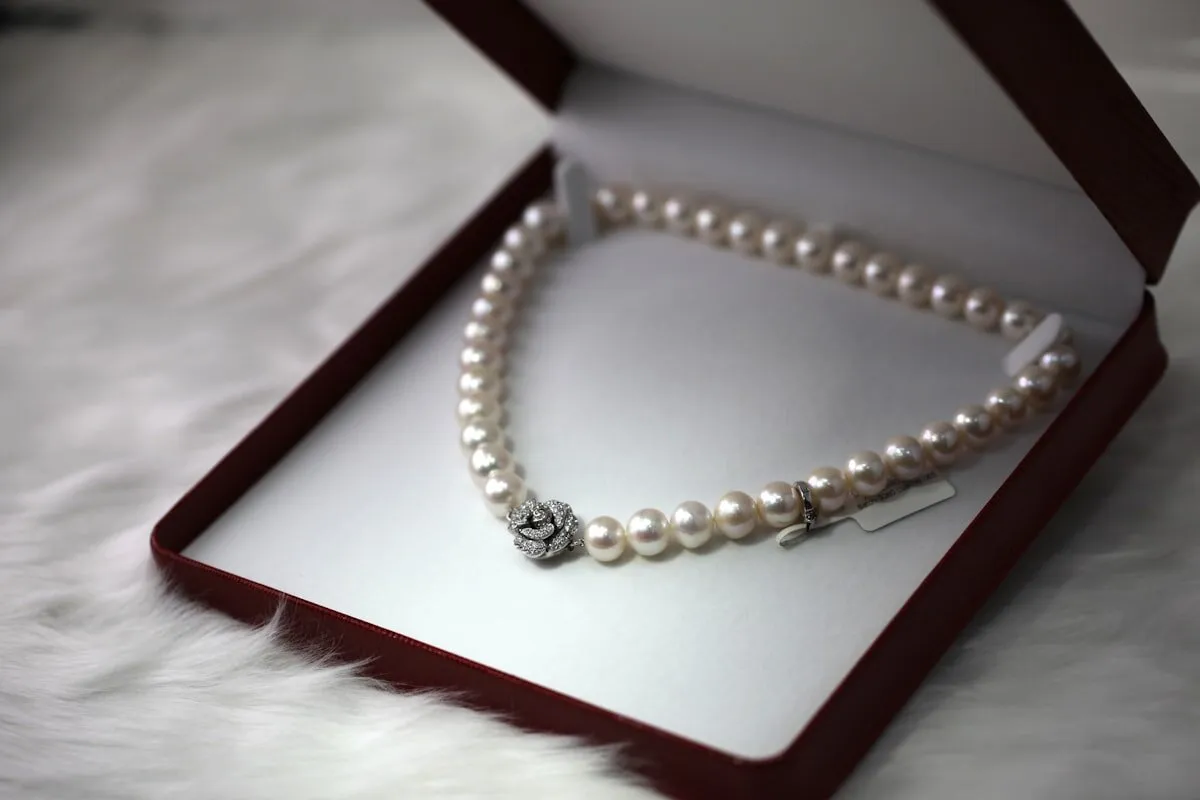
Maya Chen's fingertips are worth more than most people's salaries. As a gemologist and estate jewelry appraiser in San Francisco, she spends her days handling stones that could pay off a mortgage — Burmese rubies, Colombian emeralds, Kashmir sapphires older than the California gold rush. Her hands are her instruments. And for fifteen years, protecting them was a problem without a good solution.
"Gloves are the obvious answer," Maya explains, turning a three-carat alexandrite between her wrapped fingertips. "But obvious isn't always right. Nitrile gloves reduce tactile feedback by about 40%. When you're checking for inclusions, feeling for fracture fills, assessing cut quality — that 40% matters. A lot."
The alternative — bare hands — creates different problems. Human skin deposits oils on every surface it touches. On a polished gemstone, those oils can affect refraction, mask flaws, and in some cases cause long-term damage to organic gems like pearls and opals.
"I tried cotton gloves, nitrile, latex, even those museum-handling gloves. Every solution created a new problem. Then a colleague handed me a roll of tape from 1935."
The Third Option
Guard-Tex wraps provided something Maya didn't know she needed: protection without insulation. The thin cotton tape maintains nearly full tactile sensitivity while creating a barrier between skin oils and stone surfaces. No adhesive means no residue on gems. And unlike gloves, individual finger wraps allow her to unwrap and rewrap specific fingers as tasks change.
The Problem
- Gloves reduce tactile feedback 40%
- Bare hands leave damaging oils
- Cotton gloves slip on polished surfaces
- Nitrile creates static that attracts dust
Guard-Tex Solution
- Near-full tactile sensitivity
- Zero oil transfer to surfaces
- Cotton grips without slipping
- No static buildup
"The first time I used it, I could feel the difference immediately," Maya says. "I was examining a star sapphire, checking the asterism. With gloves, I had to rely almost entirely on visual assessment. With the wraps, I could feel the cabochon surface, sense the polish quality, detect things I'd been missing."