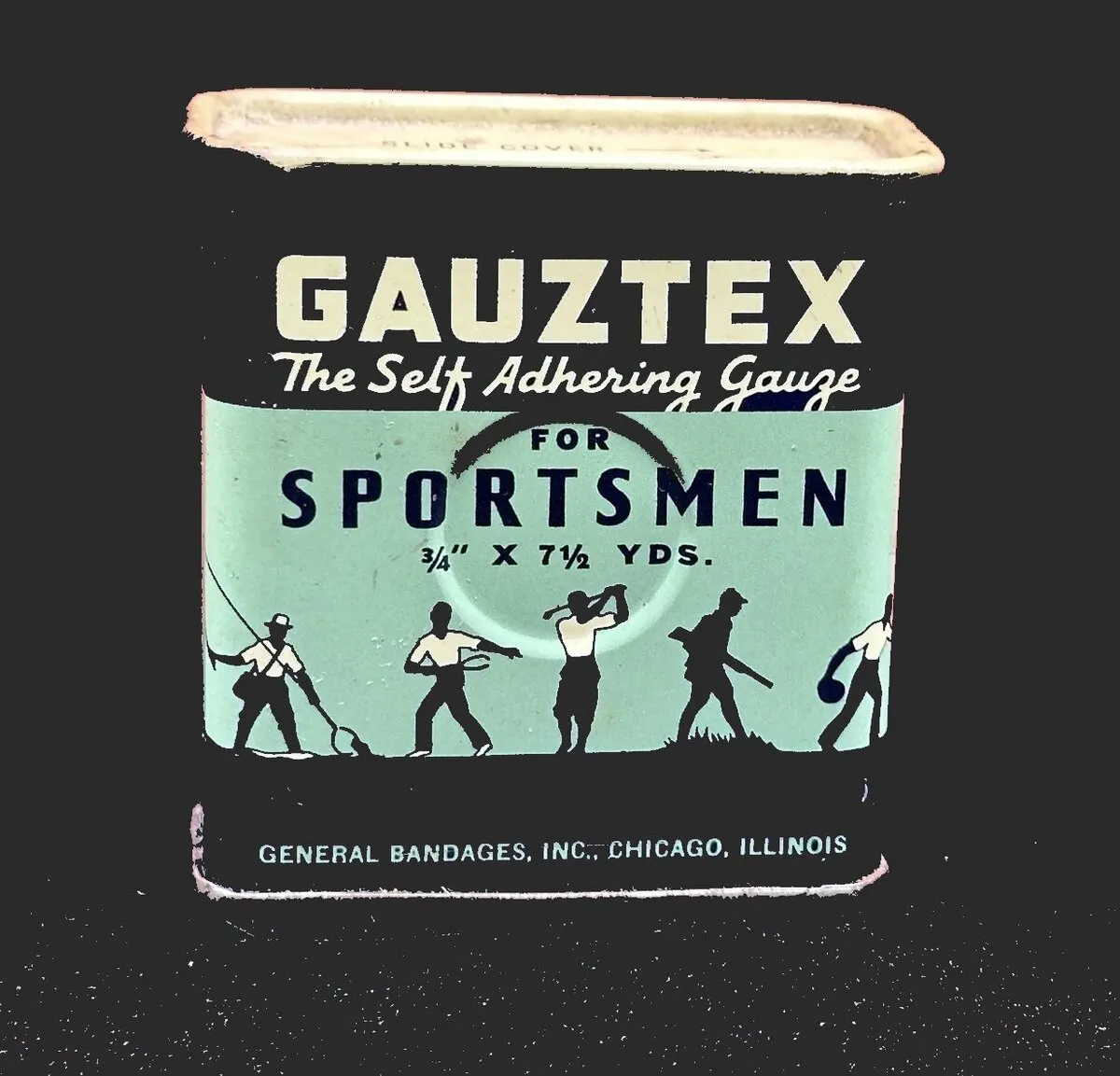
The Smithsonian's National Museum of American History holds 1.8 million objects. The Hope Diamond. Dorothy's ruby slippers. Abraham Lincoln's top hat. And tucked somewhere in the vast archives of American manufacturing history, a roll of self-adhering finger tape from a Chicago factory.
Guard-Tex — or Gauztex, as it was originally branded — earned its place in the national collection not through glamour but through ubiquity. For decades, this unassuming product was a fixture in American workplaces: factories, hospitals, machine shops, and assembly lines from coast to coast.
The museum's acquisition wasn't planned. It happened the way most good museum stories do — through a curator with sharp eyes and a sense of what everyday objects reveal about how Americans actually lived and worked.
"The great collections aren't built on famous artifacts. They're built on the things people used every day without thinking about them."
The Chicago Story
Guard-Tex was born in 1935, in the middle of the Great Depression, in a Chicago industrial district. Genband Industries, LLC developed the product for a simple reason: factory workers needed finger protection that wouldn't make their injuries worse.
The problem with existing solutions was adhesive. Standard bandages and tapes used sticky compounds that bonded to skin. For workers with cuts, blisters, or raw fingers, removing these bandages often reopened wounds. In an era before modern workplace safety regulations, hand injuries were epidemic in manufacturing.
The solution was elegant: a cotton gauze tape treated with a latex compound that would stick to itself but not to skin. Workers could wrap damaged fingers, work a full shift, and remove the tape without pain or tissue damage. The tape could be reapplied indefinitely. It left no residue on skin or tools.
Original Patent
The self-adhering technology was patented in 1935. The original formulation — cotton gauze with a natural latex cohesive coating — remains essentially unchanged ninety years later. Some things don't need improving.
Workplace Essential
By the 1940s, Gauztex had become standard equipment in American industry. The distinctive teal-and-cream packaging was a familiar sight in factory first aid kits, machine shop drawers, and hospital supply rooms. The "Sportsmen" variant — marketed to hunters and fishermen — appeared alongside the industrial product.
What made the tape remarkable wasn't any single feature. It was the combination:
- Zero adhesive — safe for damaged skin
- Self-bonding — stayed secure through physical work
- Breathable — allowed wounds to heal while protected
- Reusable — could be unwrapped and rewrapped as needed
- Clean — no residue on skin, clothing, or equipment
The tape found its way into unexpected places. Surgeons used it to protect their fingers during long procedures. Nurses wrapped it around instruments for better grip. Athletes discovered it worked for blisters. Musicians used it on their fingers. The product designed for factory workers became genuinely universal.