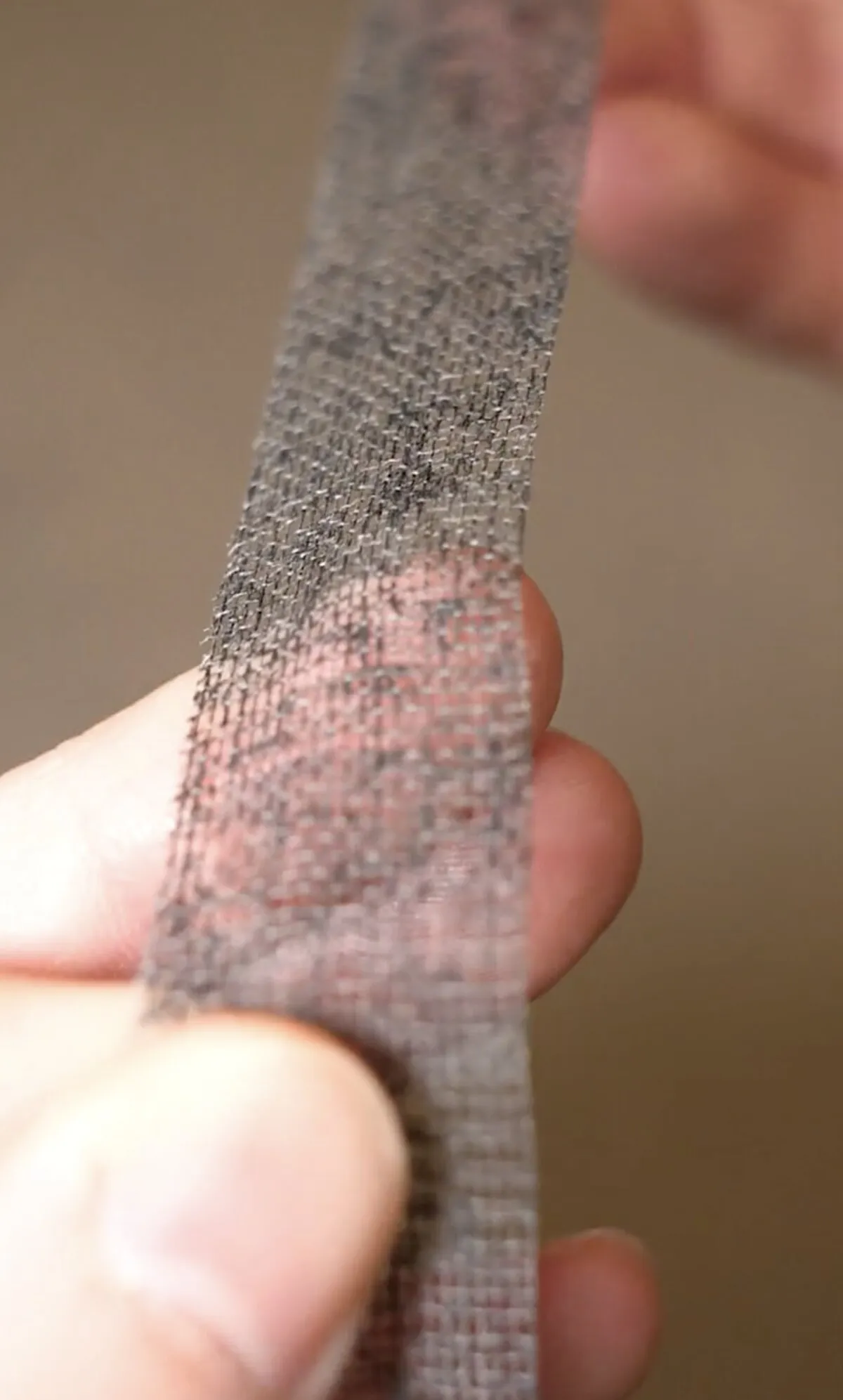
Paper-thin skin presents a unique challenge: you need to secure dressings, protect wounds, and maintain coverage without causing new damage. Traditional adhesive tape is often the worst choice for these patients.
The adhesive bond in conventional medical tape can exceed the tensile strength of elderly skin. When you remove the tape, something has to give. In young, healthy skin, the adhesive releases. In paper-thin skin, the epidermis tears instead.
Why Adhesive Fails
Adhesive tape works through chemical and mechanical bonding to the skin surface. The longer tape stays in place, the stronger this bond becomes as skin oils integrate with the adhesive layer. In elderly patients with fragile skin, this bond can become stronger than the skin itself within hours.
Even "gentle" adhesive products can cause damage. Silicone-based adhesives reduce but don't eliminate the risk. The only way to completely prevent adhesive-related skin tears is to avoid adhesives entirely.
The Self-Adhering Solution
Self-adhering tape bonds to itself, not to skin. This fundamental difference eliminates the primary cause of tape-related skin tears. The tape wraps around the limb or digit, with each layer bonding to the layer beneath it through cohesive forces.
When it's time to change the dressing, you simply unwrap the tape. No pulling on skin. No adhesive residue. No damage.
For extremely thin skin, consider placing a layer of soft gauze against the skin first, then wrapping self-adhering tape over it. This creates an additional buffer and makes removal even gentler.
When to Use Self-Adhering Tape
Self-adhering tape is ideal for securing wound dressings on limbs and digits, protecting IV sites and PICC lines, light compression for edema, and anywhere you need tape on fragile skin. It's not appropriate for applications requiring strong adhesion to skin, such as surgical site closure.