The Fundamental Difference
One touches your skin with glue. One doesn't.
Cohesive tape wraps secure without any adhesive contacting skin. This single difference determines removal pain, skin safety, and residue.
Compare
The fundamental difference between cohesive and adhesive tape determines everything — how it feels on skin, how it removes, whether it leaves residue, and who it's safe for. Here's the complete comparison.
Adhesive tape uses a sticky substance — usually zinc oxide, acrylic, or rubber-based glue — that bonds to whatever surface it touches: skin, hair, wounds, equipment, clothing. It sticks because the adhesive chemically bonds to the surface. Removing it means breaking that chemical bond, which tears hair, damages fragile skin, and leaves sticky residue behind.
Cohesive tape uses no adhesive at all. Instead, the tape material bonds only to itself through intermolecular forces between matching surfaces. When cohesive tape touches skin, it doesn't stick. When it touches another layer of the same tape, it locks firmly. The result: secure wrapping with zero adhesive contact on skin, hair, or equipment.
I switched from adhesive to cohesive tape after tearing a patient's skin during removal. Zero adhesive on skin eliminates the most dangerous moment in tape use.— Home Health Nurse
This fundamental difference cascades through every use case. Cohesive tape is safer for fragile skin, removes painlessly, leaves zero residue, and can't damage equipment surfaces. Adhesive tape provides stronger hold on single-layer applications and conforms to irregular shapes without wrapping. Each has its place — the key is understanding which situations favor which technology.
| Feature | Cohesive Tape | Adhesive Tape |
|---|---|---|
| Bonding mechanism | Bonds to itself — intermolecular forces | Bonds to skin — chemical adhesive |
| Skin contact | Zero adhesive on skin | Adhesive directly on skin |
| Removal pain | Painless — nothing bonded to skin | Painful — tears hair, damages skin |
| Residue | Zero — nothing to leave behind | Sticky residue remains |
| Fragile skin safety | ✓ Safe — no tearing risk | ✗ Dangerous — tears fragile skin |
| Single-layer adhesion | ✗ Must wrap around — needs overlap | ✓ Sticks on first contact |
| Equipment contact | Zero residue on equipment | Leaves adhesive on surfaces |
| Wet performance | Cohesive bond strengthens wet | Most adhesives weaken wet |
| Repositioning | Easy — peel and rewrap | Difficult — adhesive degrades with each attempt |
The Fundamental Difference
Cohesive tape wraps secure without any adhesive contacting skin. This single difference determines removal pain, skin safety, and residue.
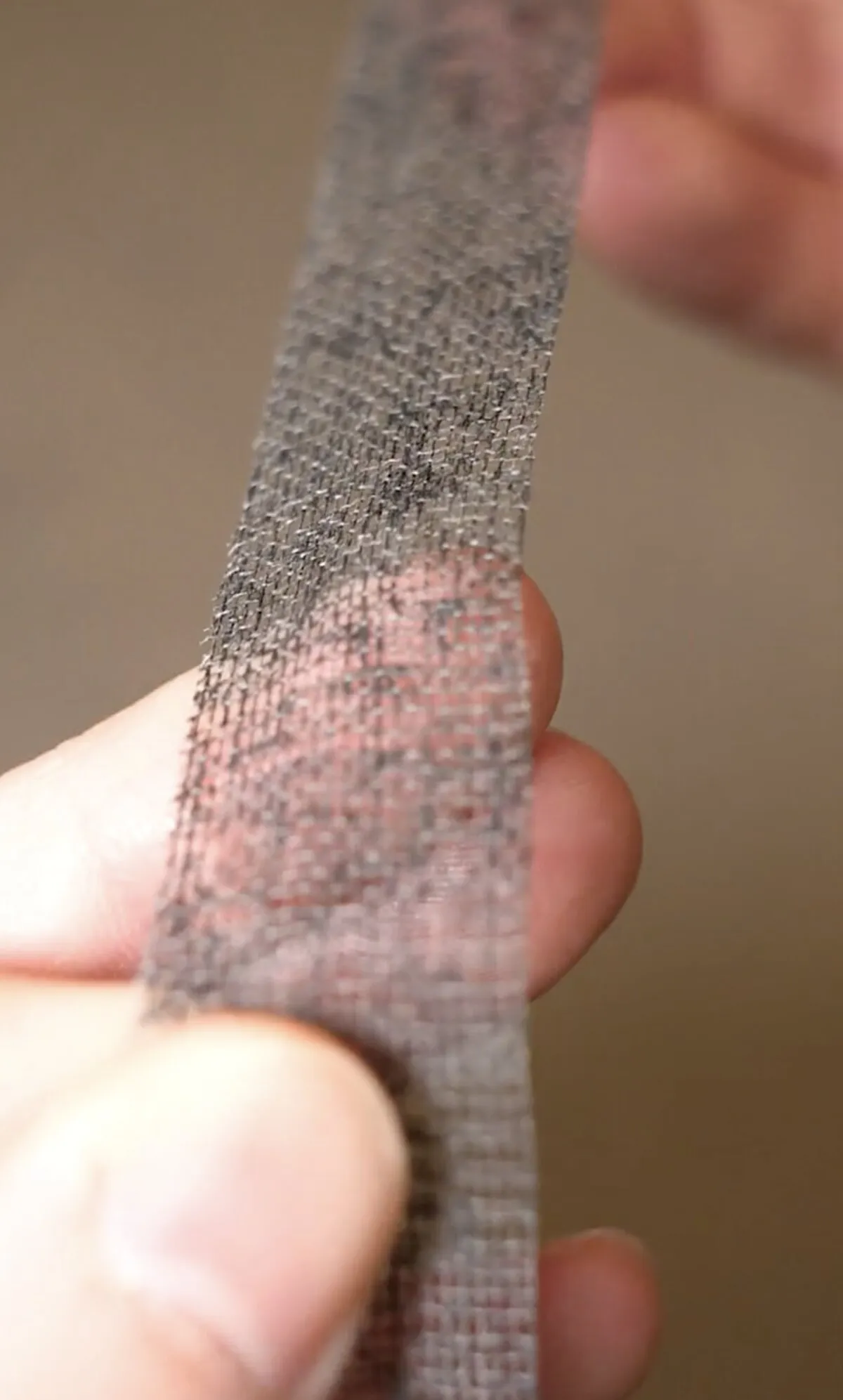
Cohesive tape is made from materials — typically cotton gauze or elastic polymer — that bond to themselves through intermolecular attraction. When one layer of cohesive tape contacts another layer, the matching surfaces lock together firmly. This creates a secure wrap that holds under tension, moisture, and movement. Guard-Tex uses woven cotton gauze with a cohesive coating that bonds layer to layer. The cotton provides breathability and moisture management while the cohesive bond provides hold.
Adhesive tape applies a sticky chemical layer to one side of a backing material. When pressed against skin, the adhesive flows into the microscopic valleys of the skin surface and hardens, creating a mechanical and chemical bond. This bond holds the tape to skin without wrapping. The adhesive remains on the skin surface after removal — creating residue, pulling hair, and potentially tearing fragile or damaged skin.
Any situation where adhesive on skin is problematic: fragile elderly skin, healing wounds, hairy skin, sensitive skin, daily tape changes, equipment that can't have residue, wet conditions, and situations where removal pain matters. Cohesive tape is specifically preferred in home healthcare, sports where equipment contact matters, and any application requiring frequent changes.
Single-layer applications where wrapping isn't possible: closing wound edges, anchoring dressings to flat surfaces, and applications where the tape must stick on first contact without wrapping. Adhesive tape is necessary when the geometry doesn't allow a cohesive wrap to overlap itself.
You need to wrap fingers, hands, joints, or equipment. Any situation where the tape can overlap itself to create a cohesive bond. Especially when skin sensitivity, residue, or removal pain are concerns.
Key: Cohesive tape must overlap to hold. If you can wrap it, choose cohesive.You need single-layer adhesion on a flat surface — anchoring a wound dressing, closing a wound edge, or securing a bandage where wrapping isn't geometrically possible.
Key: If you can't wrap, you need adhesive. But if you can wrap, cohesive is safer.Elderly patients, babies, patients on blood thinners, anyone with fragile skin — always cohesive. The removal risk of adhesive tape on fragile skin outweighs any adhesion advantage.
Key: When in doubt about skin fragility, cohesive tape eliminates the removal risk entirely.Any tape that contacts equipment — sports gear, musical instruments, tools, leather — should be cohesive if residue matters. Adhesive residue accumulates and damages surfaces over time.
Key: Cohesive tape is the only option when equipment surfaces must stay clean.
Try Guard-Tex
Self-adhering cotton gauze. No adhesive on skin. Zero residue. Made in Elk Grove Village, IL since 1935.
Shop Now"Home health aide — I tape 8-10 patients daily. Cohesive tape means zero skin tears during removal. That alone justifies the switch from adhesive."— Home Health Aide
"Guitar player — adhesive tape residue was ruining my fretboard. Cohesive tape protects my fingers and leaves nothing on the instrument."— Professional Musician
"My grandmother's skin tears from adhesive tape removal. Her nurse switched to cohesive tape and the skin tears stopped completely."— Family Caregiver
"Mechanic — adhesive tape on my fingers left residue on every part I touched. Cohesive tape protects my hands and keeps parts clean."— Automotive Mechanic
Cohesive tape bonds to itself — no adhesive touches skin. Adhesive tape uses a sticky chemical that bonds directly to skin, hair, and surfaces.
For wrapping applications (fingers, hands, joints, equipment), cohesive tape is safer, less painful to remove, and leaves zero residue. Adhesive tape is necessary only when single-layer adhesion on a flat surface is required.
No. Cohesive tape bonds only to itself. It wraps secure without any adhesive contacting skin.
In most wrapping applications, yes. Cohesive tape cannot replace adhesive tape in situations requiring single-layer adhesion to a flat surface without wrapping.
No. Cohesive tape contains no adhesive, so there is nothing to leave behind on skin, hair, or equipment.
Yes. Cohesive tape is the safest option for sensitive, fragile, or damaged skin because zero adhesive contacts the skin surface.
3/4" for fingers and detail work. 1-1/2" for limbs and larger areas. Both available in the shop.
Self-adhering tape. No adhesive. No residue. Made in Elk Grove Village, IL since 1935.
Shop Guard-Tex
