Right Tape, Right Job
Protection ≠ Stabilization.
Using the wrong tape for the job either provides inadequate support (cohesive for joints) or causes unnecessary skin damage (adhesive for protection).
Compare
Cohesive tape and athletic tape serve different purposes in sports. Cohesive tape protects fingers and hands with zero adhesive on skin. Athletic tape stabilizes joints with adhesive anchoring. Here's when to use each.
Athletic tape (zinc oxide tape) was designed for joint stabilization — ankle strapping, wrist support, shoulder taping. It uses strong adhesive to anchor to skin and restrict movement. The adhesive hold is the point — it needs to lock down a joint against athletic forces. Athletic trainers apply it in specific patterns to limit range of motion and prevent sprains.
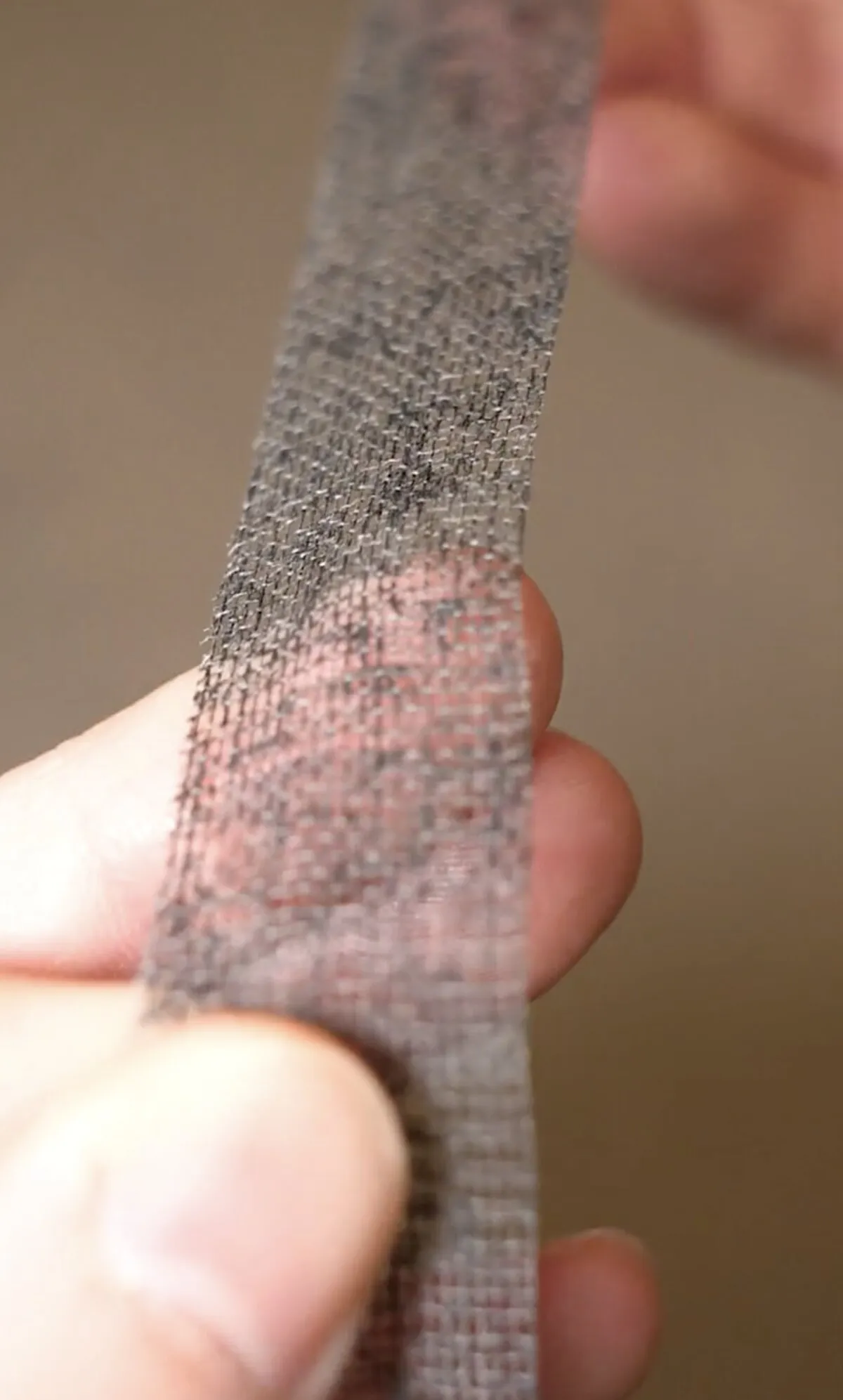
Cohesive tape was designed for protection — wrapping fingers, hands, and equipment to prevent blisters, cuts, friction damage, and impact injury. It bonds to itself with zero adhesive on skin. It doesn't restrict movement — it protects the tissue while allowing full range of motion. These are fundamentally different jobs.
Athletic tape for my jammed finger — removing it was worse than the jam. Cohesive tape buddy-tapes the finger with zero pain on removal.— Basketball Player
The problem occurs when people use athletic tape for protection jobs. Adhesive tape on fingers for blister prevention is overkill — the adhesive causes more damage during removal than the blister would have. Using cohesive tape for joint stabilization is equally wrong — it doesn't provide the rigid adhesive anchoring that joint support requires.
| Feature | Cohesive Tape (Guard-Tex) | Athletic Tape (Zinc Oxide) |
|---|---|---|
| Primary purpose | Hand/finger protection | Joint stabilization |
| Adhesive | Zero — bonds to itself | Strong zinc oxide adhesive |
| Movement restriction | None — full range of motion | Yes — limits joint movement |
| Removal pain | Painless | Painful — tears hair and skin |
| Equipment residue | Zero | Leaves adhesive on balls, bats, sticks |
| Wet performance | Bonds tighter wet | Loosens in sweat |
| Application skill | Simple wrap — anyone can apply | Requires taping technique knowledge |
| Skin safety | Safe for all skin types | Risk of skin tears, irritation |
| Cost per use | Low — pennies per wrap | Higher — larger quantities needed |
Right Tape, Right Job
Using the wrong tape for the job either provides inadequate support (cohesive for joints) or causes unnecessary skin damage (adhesive for protection).
Finger protection during ball sports — basketball, volleyball, football. Blister prevention during grip sports — golf, baseball, tennis. Hand protection during combat sports — BJJ, wrestling. Equipment grip — wrapping bats, sticks, and handles. Any sport where fingers and hands need protection without joint immobilization.
Ankle stabilization for basketball, football, and volleyball. Wrist support for gymnastics, weightlifting, and martial arts. Knee and shoulder support during contact sports. Any situation requiring rigid joint support to prevent sprains and dislocations. Athletic tape should be applied by trained athletic trainers for optimal joint support patterns.
Buddy taping jammed fingers is where both tapes appear to work — but cohesive tape is superior because it removes painlessly from swollen joints and leaves zero residue on the ball. Athletic tape buddy taping bonds adhesive to tender, swollen skin and transfers residue to game balls.
Using athletic tape for blister prevention (adhesive damage exceeds blister damage). Using athletic tape on equipment (residue contaminates gear). Using cohesive tape for ankle strapping (insufficient rigid support). The key: match the tape to the job.
Use cohesive tape. Wrap blister zones, buddy-tape jammed fingers, protect against friction and impact. Zero adhesive on skin means painless changes.
Athletes: Climbers, golfers, basketball players, musicians, CrossFitters.Use athletic tape. Ankle strapping, wrist support, shoulder taping. The adhesive anchoring is necessary for joint restriction.
Athletes: Football, basketball, volleyball players needing joint support.Use cohesive tape. Bat grips, stick handles, paddle overwraps. Zero residue when you change wraps.
Sports: Baseball, hockey, lacrosse, cricket, tennis, pickleball.Use cohesive tape. Buddy-tape jammed fingers for continued play. Painless removal on swollen joints. Zero residue on game balls.
Critical advantage: Cohesive tape removal doesn't compound the injury.
Try Guard-Tex
Self-adhering cotton gauze. No adhesive on skin. Zero residue. Made in Elk Grove Village, IL since 1935.
Shop Now"Athletic tape for finger blisters was pointless — the adhesive removal was worse than the blister. Guard-Tex protects the same area without the skin damage."— Golfer, Club Championship
"Basketball — athletic tape buddy wrap left residue on the ball. Every player handles that ball. Cohesive tape leaves nothing."— Point Guard, College
"I keep both in my training room. Athletic tape for ankle straps. Cohesive tape for finger protection. Different tools for different jobs."— Athletic Trainer, High School
"CrossFit — bar work and rope climbing. Athletic tape shredded my hand hair every night. Guard-Tex comes off clean."— CrossFitter, Competition
No. Cohesive tape bonds to itself with zero adhesive on skin. Athletic tape uses zinc oxide adhesive that bonds directly to skin for joint stabilization.
For finger/hand protection and equipment wrapping, yes. For joint stabilization (ankle strapping, wrist support), no — athletic tape's adhesive anchoring is necessary.
Cohesive tape. It buddy-tapes jammed fingers with zero adhesive on swollen skin, removes painlessly, and leaves no residue on game balls.
Yes. Athletic tape adhesive transfers to balls, bats, sticks, and other equipment surfaces. Cohesive tape leaves zero residue.
Cohesive tape bonds tighter in moisture. Athletic tape adhesive loosens in sweat and often requires pre-wrap and additional anchoring.
Yes. Athletic tape for joint support needs. Cohesive tape for hand/finger protection and equipment wrapping.
3/4" for fingers and detail work. 1-1/2" for limbs and larger areas. Both available in the shop.
Self-adhering tape. No adhesive. No residue. Made in Elk Grove Village, IL since 1935.
Shop Guard-Tex
