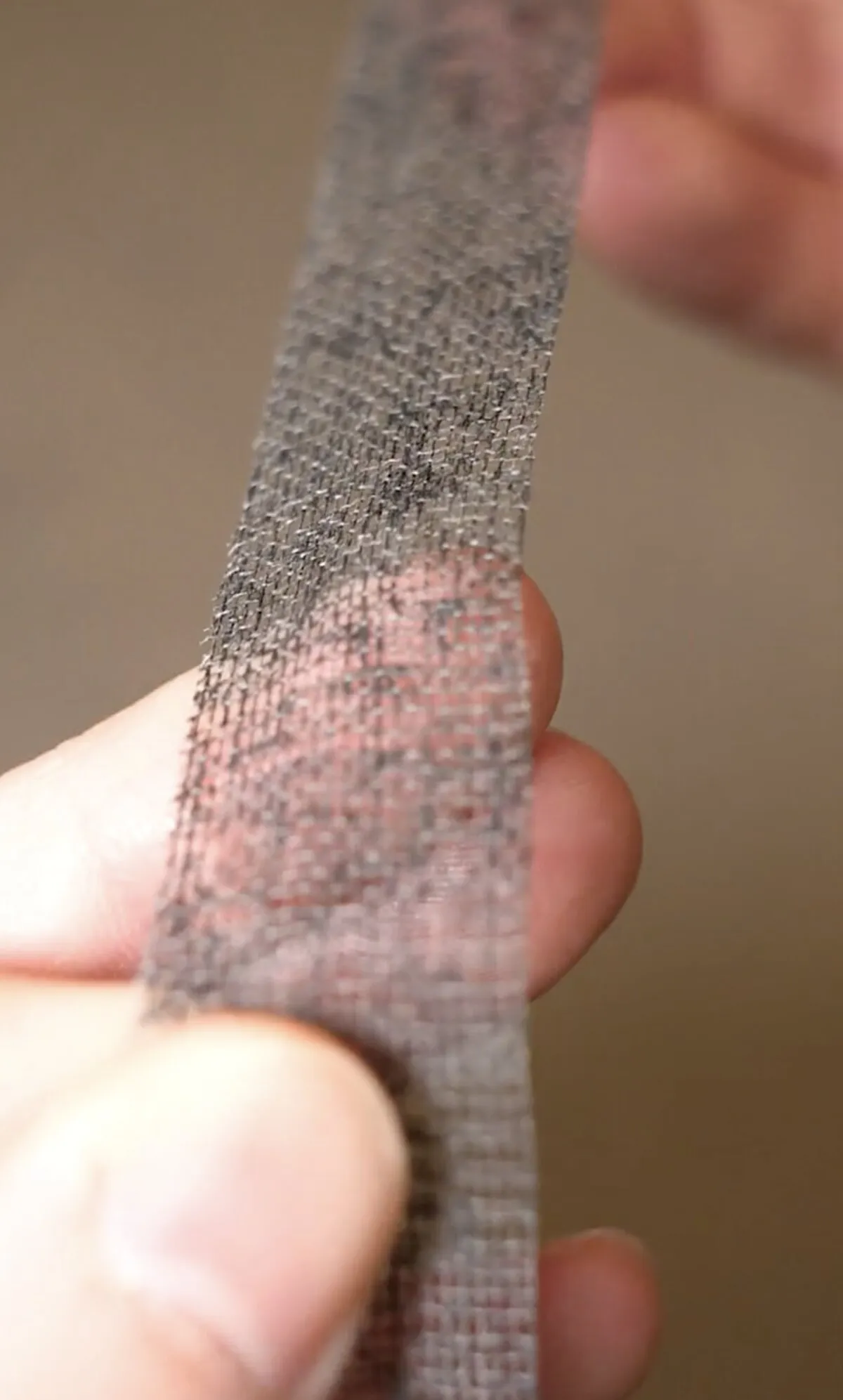
Cotton vs Polymer
Woven cotton. Elastic foam. Same bond. Different worlds.
Guard-Tex cotton provides cushion, breathability, and moisture absorption. Coban elastic provides stretch, compression, and conforming wrap. Match the material to the need.
Compare
Guard-Tex and Coban are both cohesive tapes with zero adhesive on skin. But Guard-Tex is non-stretch woven cotton and Coban is elastic polymer. That material difference determines when each is the better choice.
Both Guard-Tex and 3M Coban use cohesive bonding — they stick to themselves, not to skin. Both are self-adhering, both leave zero adhesive residue, and both are safe for sensitive skin. The comparison people expect is which sticks better. The comparison that actually matters is what each is made of.
Guard-Tex is woven cotton gauze. Non-stretch. Breathable. Absorbs moisture. Made in the USA since 1935. It was designed for hand protection in manufacturing — environments where workers need finger protection without adhesive contaminating parts. Cotton provides cushion, breathability, and moisture management.
Coban for compression after a blood draw. Guard-Tex for finger protection at work. I use both, never interchangeably.— Occupational Health Nurse
Coban is elastic polyurethane foam. Stretch. Semi-breathable. Repels moisture. Made by 3M. It was designed for medical bandaging — holding dressings and providing compression. The elasticity provides conforming wrap and light compression. These are different products for different purposes.
| Feature | Guard-Tex | 3M Coban |
|---|---|---|
| Material | Woven cotton gauze | Elastic polyurethane foam |
| Stretch | Non-stretch — rigid, stable | Elastic — stretch and conform |
| Designed for | Hand protection, equipment grip | Medical bandaging, compression |
| Breathability | ✓ Cotton gauze — fully breathable | Semi — foam allows some airflow |
| Moisture | Absorbs and wicks moisture | Repels moisture |
| Cushioning | ✓ Woven cotton cushions impact | Minimal — foam compresses flat |
| Equipment wrapping | ✓ Non-stretch builds stable grip | ✗ Stretch doesn't build grip profile |
| Compression | ✗ Non-stretch — no compression | ✓ Elastic provides compression |
| Durability | High — woven cotton resists wear | Moderate — foam tears under abrasion |
| Made in USA | ✓ Elk Grove Village, IL since 1935 | Varies by product line |
Cotton vs Polymer
Guard-Tex cotton provides cushion, breathability, and moisture absorption. Coban elastic provides stretch, compression, and conforming wrap. Match the material to the need.
You need hand and finger protection — cotton cushions, breathes, and absorbs moisture for all-day comfort. Equipment wrapping — non-stretch cotton builds stable grip profiles on handles and shafts. Work environments — woven cotton resists the abrasion of tools, parts, and machinery. Sports grip — cotton on equipment provides friction and stability that elastic foam can't match.
You need medical bandaging — elastic conforms to irregular body surfaces and provides light compression. Post-procedure wrapping — holding gauze pads and dressings in place with conforming pressure. Veterinary use — elastic wrapping around limbs and irregular surfaces. Compression — the elastic provides therapeutic compression that rigid cotton cannot.
People assume all self-adhering tapes are interchangeable. They're not. Using Coban for equipment wrapping fails — the elastic stretches and the grip loosens under use. Using Guard-Tex for compression bandaging doesn't work — non-stretch cotton can't provide elastic compression. The cohesive bond is the same. The material determines the application.
The cotton vs polymer distinction is more important than the brand name. Any non-stretch cohesive cotton tape works for hand protection and equipment grip. Any elastic cohesive tape works for medical bandaging and compression. Guard-Tex and Coban happen to be the quality leaders in their respective categories.
Guard-Tex. Cotton cushions, breathes, and absorbs moisture for all-day wear. Non-stretch stability stays positioned on fingers during work.
The cotton handles sweat, friction, and the abrasion of work better than elastic foam.Guard-Tex. Non-stretch cotton builds stable, consistent grip profiles. Elastic tape would stretch and shift under the forces of bat swings, paddle strokes, and tool use.
Equipment wrapping requires the dimensional stability that only non-stretch tape provides.Coban. Elastic conforms to irregular body surfaces and provides the light compression that bandaging requires.
Guard-Tex is not designed for medical compression bandaging.Coban. Elastic wrap holds gauze pads and dressings in place without the rigid wrapping of non-stretch tape.
The conforming stretch adapts to body movement while keeping dressings secure.
Try Guard-Tex
Self-adhering cotton gauze. No adhesive on skin. Zero residue. Made in Elk Grove Village, IL since 1935.
Shop Now"I tried Coban for my bat grip — elastic stretched and the grip loosened after three swings. Guard-Tex cotton stays rigid and builds a stable grip."— Baseball Player
"Guard-Tex for my fingers at work, Coban for holding bandages at home. Both self-adhering, totally different products."— Manufacturing Worker
"In our clinic we use Coban for compression bandaging and Guard-Tex for finger splinting. Different tools from the same toolbox."— Occupational Therapist
"Coban tears when I'm working with tools — the foam can't handle abrasion. Guard-Tex woven cotton holds up through my whole shift."— Mechanic
No. Both are self-adhering (cohesive), but Guard-Tex is non-stretch woven cotton gauze and Coban is elastic polyurethane foam. Different materials for different uses.
Coban can wrap fingers, but the elastic foam lacks the cushioning, breathability, and abrasion resistance of woven cotton. Guard-Tex is purpose-built for finger and hand protection.
Guard-Tex works for buddy taping and finger splinting. For compression bandaging requiring elastic wrap, Coban or similar elastic cohesive products are more appropriate.
Guard-Tex woven cotton is more durable under abrasion (work and sports). Coban elastic is more conforming for medical applications. 'Stronger' depends on the use case.
Yes. Both are cohesive — bond to themselves, not to skin. Zero adhesive, zero residue from either product.
Guard-Tex is generally less expensive per roll. Coban medical-grade pricing reflects the healthcare distribution channel.
Self-adhering tape. No adhesive. No residue. Made in Elk Grove Village, IL since 1935.
Shop Guard-Tex
