Patient Safety
Zero adhesive = zero skin tears.
Self-adhering tape eliminates the mechanism of adhesive-related skin tears. For elderly patients, immunocompromised patients, and those on blood thinners, this is a critical safety improvement.
Compare
Medical adhesive tape is the leading cause of iatrogenic skin tears in elderly patients. Self-adhering tape eliminates this risk entirely. Here's the clinical comparison.
Medical adhesive tapes — Micropore, Transpore, Durapore, Medipore — all bond to skin through adhesive. In healthy adults, removal is mildly uncomfortable. In elderly patients with fragile skin, patients on blood thinners, or patients with dermatological conditions, removal tears skin. These are iatrogenic injuries — caused by the care itself. Studies estimate that adhesive-related skin tears affect 1.5 million elderly patients annually in the US.
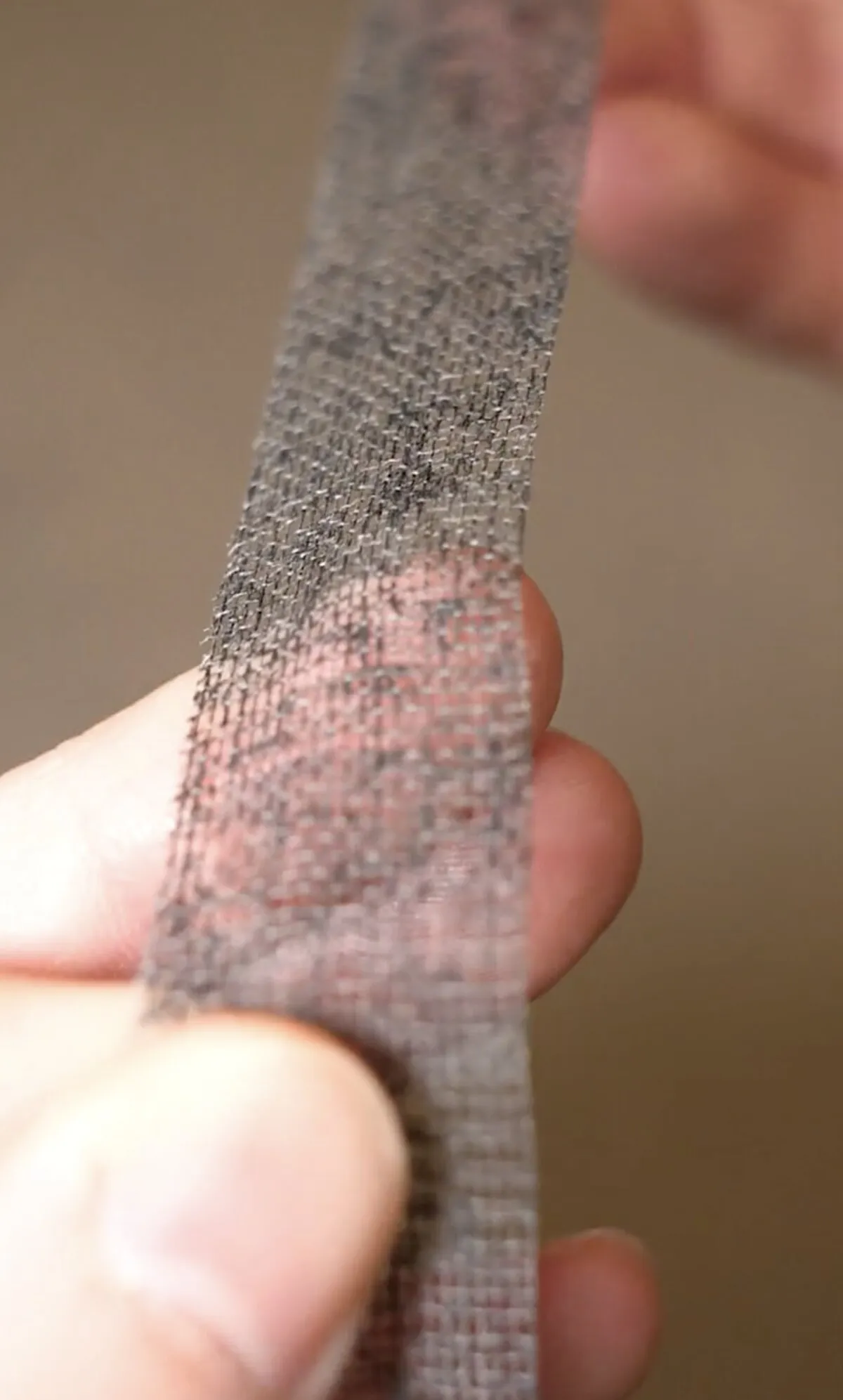
Self-adhering tape (cohesive tape) bonds to itself — zero adhesive contacts skin. It wraps secure around digits, hands, and limbs without any chemical bonding to the skin surface. Removal is painless because nothing bonded to the skin in the first place. The risk of iatrogenic skin tears drops to zero.
Every skin tear from tape removal is a preventable injury. Self-adhering tape eliminates the mechanism entirely.— Wound Care Nurse
The clinical trade-off is real: adhesive tape provides single-layer adhesion for anchoring dressings to flat surfaces. Self-adhering tape requires wrapping — it must overlap itself to hold. For digit and hand applications, self-adhering tape is clearly safer. For dressing retention on flat surfaces (chest, abdomen, back), adhesive tape may still be necessary — though silicone adhesives and other gentle alternatives are reducing even that necessity.
| Feature | Self-Adhering Tape | Medical Adhesive Tape |
|---|---|---|
| Adhesive on skin | Zero | Yes — acrylic or zinc oxide |
| Skin tear risk | Zero — nothing bonded to skin | High in elderly/fragile patients |
| Removal pain | Painless | Mild to severe depending on skin |
| Allergic reaction risk | Very low — no adhesive chemicals | Moderate — adhesive sensitivities |
| Single-layer adhesion | ✗ Must wrap/overlap | ✓ Sticks to skin on contact |
| Digit wrapping | ✓ Ideal — wraps fingers/toes safely | ✗ Adhesive on fragile digit skin |
| Dressing anchoring | Limited to wrap-around applications | ✓ Anchors on any surface |
| Repositioning | Easy — peel and rewrap | Difficult — adhesive degrades |
| Moisture performance | Cohesive bond holds wet | Most adhesives weaken wet |
Patient Safety
Self-adhering tape eliminates the mechanism of adhesive-related skin tears. For elderly patients, immunocompromised patients, and those on blood thinners, this is a critical safety improvement.
Adhesive-related skin injuries — MARSI (Medical Adhesive-Related Skin Injury) — affect millions of patients annually. Categories include skin tears from tape removal, tension blisters from adhesive pull, contact dermatitis from adhesive chemicals, and maceration from moisture trapping under occlusive adhesive. The elderly population is most vulnerable due to naturally thinning skin, reduced collagen, and medications that further compromise skin integrity.
Elimination of MARSI risk on wrapped applications. Painless removal supporting patient comfort and compliance. Repositionability — adjust without skin damage. Moisture management — cotton breathes rather than occluding. Reduced allergic reaction risk — no adhesive chemicals on skin. Suitable for patients on anticoagulants whose skin bleeds from adhesive removal.
Wound closure — adhesive strips hold wound edges together. Dressing retention on flat surfaces — chest, abdomen, back where wrapping isn't possible. IV and catheter securing — adhesive anchoring maintains line position. Surgical draping — adhesive barriers maintain sterile fields. In these applications, silicone-based gentle adhesives reduce but don't eliminate MARSI risk.
Home health agencies, assisted living facilities, and geriatric care programs are increasingly adopting self-adhering tape for digit and hand applications. The reduction in iatrogenic skin tears reduces treatment costs, patient discomfort, and liability exposure. Training requirement is minimal — self-adhering tape is simpler to apply than most adhesive taping techniques.
Self-adhering tape. Wrap fingers, toes, and hands for protection, buddy taping, and light compression. Zero adhesive on fragile digit skin.
The safest option for any digit application on elderly or fragile-skin patients.Self-adhering tape. When the dressing site allows a circumferential wrap (digits, hands, forearms), self-adhering tape secures the dressing without adhesive on skin.
Wrappable = self-adhering. The geometry determines the choice.Medical adhesive tape (preferably silicone-based). Chest, abdomen, and back dressings require adhesive anchoring to flat surfaces. Choose the gentlest adhesive available.
When adhesive is necessary, silicone adhesives reduce MARSI risk.Medical adhesive tape. Line security requires adhesive anchoring. Self-adhering tape cannot maintain the precise positioning IV lines require.
Patient safety requires adhesive for line security.
Try Guard-Tex
Self-adhering cotton gauze. No adhesive on skin. Zero residue. Made in Elk Grove Village, IL since 1935.
Shop Now"Home health — I taped 10+ patients daily with adhesive tape. At least one skin tear per week. Switched to self-adhering for digits — zero skin tears since."— Home Health Aide
"My mother's skin tears from Band-Aid removal. Her nurse uses Guard-Tex for finger wrapping now. No more tears. No more pain."— Family Caregiver
"Wound care clinic — we now use self-adhering tape for all digit dressings. The MARSI reduction is measurable and the patients are happier."— Wound Care RN
"Assisted living facility — our incident reports for skin tears from tape removal dropped 60% after switching to self-adhering for digit applications."— Director of Nursing
Skin damage caused by adhesive tape removal — including skin tears, tension blisters, contact dermatitis, and maceration. Most common in elderly patients with fragile skin.
Yes. Self-adhering tape contains zero adhesive on skin. The mechanism of adhesive-related skin tears is eliminated entirely.
For wrappable applications (digits, hands, limbs), yes. For flat-surface dressing retention and line securing, adhesive tape remains necessary.
Guard-Tex is used in healthcare settings for finger wrapping, buddy taping, and digit protection. For clinical wound care, consult with your facility's wound care protocol.
Self-adhering cohesive tape for any wrappable application. Silicone-based adhesive tape when adhesive is necessary for flat-surface applications.
Cohesive technology bonds the tape to itself through intermolecular attraction between matching surfaces. The tape sticks layer-to-layer but not to skin, hair, or other surfaces.
3/4" for fingers and detail work. 1-1/2" for limbs and larger areas. Both available in the shop.
Self-adhering tape. No adhesive. No residue. Made in Elk Grove Village, IL since 1935.
Shop Guard-Tex
