Works Better Wet
The only tape that bonds tighter in water.
Guard-Tex cohesive bond strengthens in moisture. Adhesive tape dissolves. Band-Aids slide off. Guard-Tex holds all day on the water.
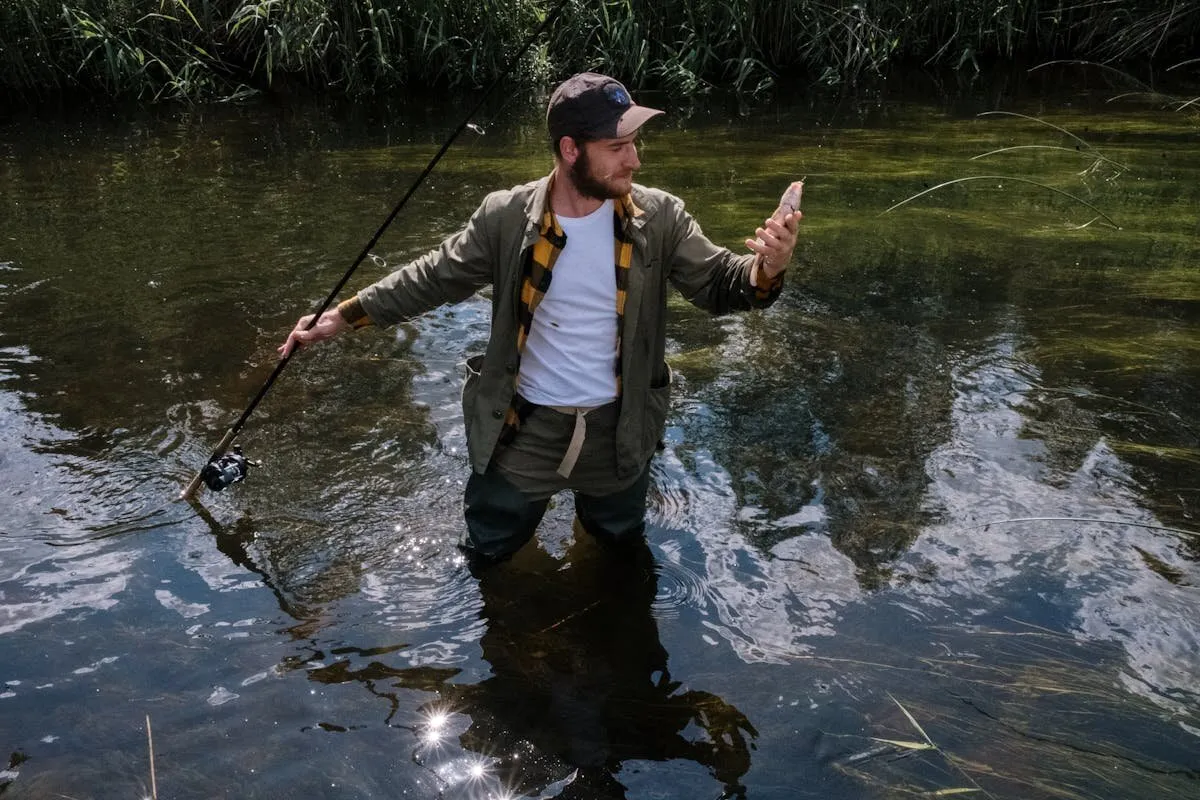
Protect — Fishing
Guard-Tex wraps the fingers that handle line, hooks, and fish — blocking monofilament cuts, cushioning hook pricks, and shielding against fin spines. Self-adhering tape that bonds tighter in water.
You can't tie knots in gloves. You can't feel a strike through rubber. You can't bait a hook with numb, gloved fingers. Fishing demands bare-hand sensitivity — and bare hands take the damage. Monofilament and braided line slice fingertips during casting, retrieving, and fighting fish. Hook points prick during baiting and unhooking. Fin spines puncture during fish handling. Saltwater dries and cracks skin. And everything happens with wet hands from first cast to dock.
The wet-hands problem makes adhesive tape useless. It dissolves in water. Band-Aids slide off in five minutes. Even waterproof adhesive fails when hands are submerged and dried repeatedly throughout the day.
Braided line was slicing my casting finger on every hookset. Guard-Tex on that one finger — zero cuts in three months of tournament fishing.— Bass Tournament Angler
Guard-Tex bonds tighter in moisture — the exact opposite of adhesive tape. Cotton gauze provides a cut-resistant layer on line-handling fingers, cushions hook contact, and blocks fin spine punctures. The only finger protection that improves in the wet conditions fishing guarantees.
Works Better Wet
Guard-Tex cohesive bond strengthens in moisture. Adhesive tape dissolves. Band-Aids slide off. Guard-Tex holds all day on the water.
Line handling and casting. Monofilament and braided line slice the index finger during casting and the fighting finger during fish runs. Guard-Tex on line-contact fingers catches the cutting edge before it reaches skin.
Hook and bait handling. Baiting hooks and unhooking fish puts fingertips near sharp points. Guard-Tex cushions hook pricks and provides grip on slippery bait.
Fish handling. Fin spines, gill plates, and tooth plates puncture bare hands. Guard-Tex on the handling hand catches spine points while maintaining the gentle grip catch-and-release anglers need.
Saltwater skin protection. Salt dries and cracks skin, especially in existing cuts. Guard-Tex creates a cotton barrier between salt water and damaged skin, preventing the crack-salt-crack cycle that worsens on multi-day trips.
Knot tying. Guard-Tex is thin enough to feel line, thread hook eyes, and cinch knots. Full knot-tying dexterity with protected fingertips.
| Feature | Guard-Tex | Adhesive Tape | Bare Hands | Fishing Gloves |
|---|---|---|---|---|
| Wet performance | ✓ Bonds tighter in water | ✗ Dissolves | N/A | Varies |
| Line cut protection | ✓ Cotton catches line edges | ✗ Line cuts through adhesive | ✗ Direct cuts | ✓ Cut resistant |
| Knot-tying dexterity | ✓ Feel line, thread eyes | ✗ Adhesive sticks to line | ✓ Maximum | ✗ Can't tie knots |
| All-day hold | ✓ Full day on the water | ✗ 30 min in water | N/A | ✓ Durable |
| Removal | ✓ Zero residue | ✗ Gummy residue | N/A | Pull off |
Index finger and thumb on the casting hand. Fingertips on the fish-handling hand. Two passes each. Apply on dry hands.
Pro tip: Bond strengthens once you get wet. Apply dry, and the tape sets stronger as you fish.Guard-Tex holds through a full day of wet-dry cycling — saltwater spray, fish slime, bait juice, rain. One application lasts from launch to dock.
Pro tip: For multi-day trips, rewrap each morning with fresh tape.Guard-Tex on the handling hand reduces fin-spine punctures and gill-plate cuts during unhooking and release.
Pro tip: For toothy species, tape is not sufficient — use proper lip grippers. Guard-Tex is for everyday fin and hook protection.Peel off — fish slime, salt, and bait stay on the tape. Your fingers underneath are uncut and clean.
Pro tip: Every mark on the tape is a cut that didn't happen to your finger.
Most Popular
Self-adhering, non-stretch cotton. Zero adhesive on skin or equipment. One roll lasts weeks of use.
Shop Now"Braided line was slicing my casting finger on every hookset. Guard-Tex on that one finger — zero cuts in three months of tournament fishing."— Bass Tournament Angler
"Offshore saltwater — my hands were cracked and bleeding by day two. Guard-Tex keeps salt out of my cracks and I can fish all week."— Offshore Angler, Sailfish
"Fly fishing in rain. Every adhesive tape I've tried falls off in 30 minutes. Guard-Tex holds all day and actually grips better wet."— Fly Fisher, Steelhead
"Catfish fin spines were putting me in the first aid kit every trip. Guard-Tex on my handling hand and I haven't been spiked since."— Catfish Guide, River
Guard-Tex bonds tighter in wet conditions. It holds through full days of fishing in rain, spray, and submersion — the opposite of adhesive tape.
Yes. Guard-Tex is thin enough to feel line, thread hook eyes, and cinch knots with full dexterity.
Wrap the casting finger and fighting finger with Guard-Tex. Cotton catches line edges during casting, retrieving, and fighting fish.
Yes. The cohesive bond holds through salt spray and submersion. Cotton also protects against salt-cracked skin.
One application lasts a full day on the water through all conditions.
Guard-Tex provides similar cut protection with better wet grip and full knot-tying dexterity. It's also usable on any finger combination, not just pre-made sizes.
3/4" for finger wraps and targeted protection. 1-1/2" for palm, hand, and full-limb coverage. Both available in the shop.
Self-adhering tape. No adhesive on skin or gear. Made in Elk Grove Village, IL since 1935.
Shop Guard-Tex
