Protect — Electricians

Your Hands Are
Your Livelihood.
Stop Wrecking Them.

Guard-Tex protects fingers during wire pulls, panel work, and conduit runs — without gloves, without adhesive, without losing the dexterity that separates a good electrician from a callback.

Scroll

Gloves Kill Your Touch. Bare Hands Take the Punishment.

You can't wire a panel in gloves. You need to feel the wire seat in the terminal. You need to spin a wire nut until the copper bites. You need to judge whether 12-gauge is stripped to the right length by touch alone. So you work bare-handed — and your hands pay for it every single day.

Wire pulling shreds your index fingers and thumb pads. Romex friction burns through skin in a 200-foot pull. THHN through conduit is worse — the jacket catches and releases, catches and releases, filing the same spot on your fingertip until it blisters and opens. Sharp copper ends find the webbing between your thumb and index finger. Box knockouts and panel edges leave shallow cuts that sting every time you grip a screwdriver. And that's just a Tuesday.

By Friday, your fingertips are raw, your knuckles are scabbed, and you're working through pain that makes every termination slower and every grip weaker. By year five, your hands look like they've been through a war. Journeymen know the math: the trade takes a toll on your hands that compounds over decades. The question isn't whether to protect them — it's how to do it without sacrificing the touch that makes you good at the job.

"I tried every glove on the market. They all killed my dexterity. I'd end up ripping them off by the second panel. Guard-Tex stays on my fingertips and I can still feel everything I need to feel."
— Journeyman Electrician, IBEW Local 134, 22 years in the trade
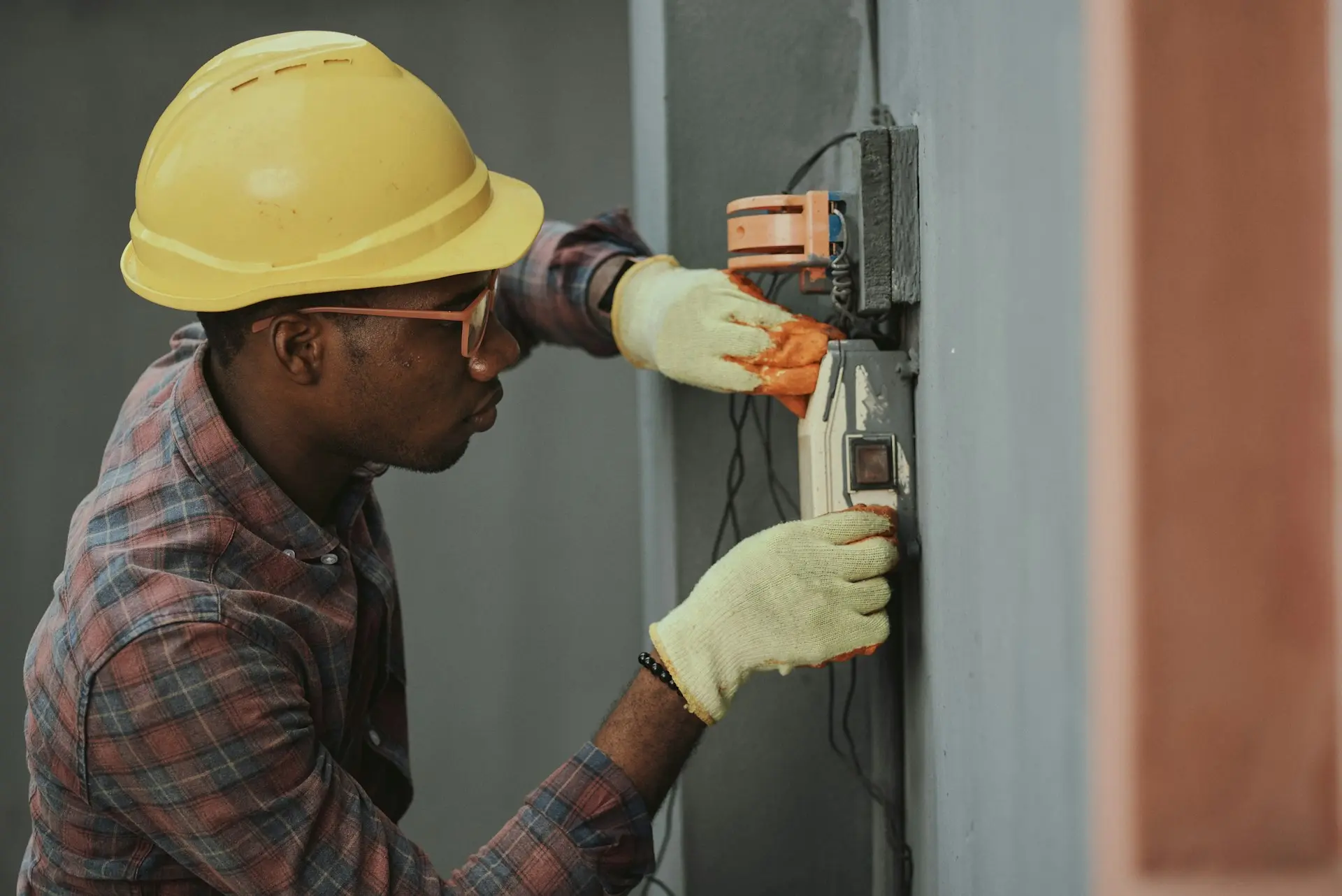
Electrician's taped fingers working inside a breaker panel

Full Dexterity

Thin enough for wire nuts. Tough enough for pulls.

Guard-Tex is a woven cotton gauze — thin, breathable, and conformable. It wraps individual fingers or finger pads without bulking up your grip. You keep the tactile feedback you need for terminations while blocking the friction, cuts, and abrasion that destroy your hands.

Protection by Task — Every Phase of Electrical Work

Wire pulling. This is where hands take the worst beating. Long runs of Romex through framing or THHN through conduit create repetitive friction on the index finger and thumb pad — the two points that guide and grip the wire. Guard-Tex wraps those contact points with a cotton friction barrier that moves with your hand. Two to three layers absorbs the abrasion from a full day of pulling. No blisters. No raw spots. No slowing down to switch grips because your fingers are on fire.

Panel work. Panels are a gauntlet of sharp edges — knockouts, bus bar corners, wire ends, and the panel box itself. Every reach into a loaded panel risks a cut. Gloves make it impossible to seat wires in terminals or spin wire nuts with confidence. Guard-Tex on your fingertips and thumb web gives you cut protection where you need it while leaving enough exposed palm for full grip on your tools. You get the protection of a glove on the vulnerable spots and bare-hand feel everywhere else.

Conduit work. Bending, cutting, and coupling conduit grinds on the heel of your palm and the first two fingers. EMT burrs from freshly cut pipe catch skin. PVC cement irritates. Rigid conduit threading puts torsional stress on fingers gripping the pipe. Guard-Tex wraps the high-contact areas and absorbs the friction that would otherwise produce calluses, blisters, and skin cracks that split open in cold weather.

Tool grip. A full shift of driving screws, pulling fish tape, and twisting connectors transfers vibration and friction to the same spots on your hand. Electrical tape on tool handles helps but doesn't protect the skin. Guard-Tex on your fingers reduces the impact of repetitive grip stress without making tools feel different in your hand. The cotton gauze actually improves grip on smooth-handled tools by adding micro-texture.

Apprentice hands. If you're in your first or second year, your hands haven't built the calluses that 20-year journeymen take for granted. Everything hurts more, blisters faster, and heals slower because the skin isn't conditioned yet. Taping during your apprenticeship isn't a weakness — it's how you stay productive while your hands adapt to the trade. The calluses still build underneath the tape. You just skip the bleeding-and-scabbing phase.
0
Adhesive on Skin
100%
Cotton Gauze
Full
Dexterity
1935
Made in USA Since

Guard-Tex vs. What Electricians Actually Use

FeatureGuard-TexElectrical TapeAthletic TapeWork Gloves
Dexterity Full — feel wire nutsModerate — slippery when wetModerate — bulky Poor — can't terminate
Adhesive residue None — zero adhesive Heavy — black gum on skin Zinc oxide residueN/A
Stays on when sweating Cotton breathes + wicks Slides off with sweat Adhesive failsInterior gets soaked
Rewrap speed 30 seconds1 minute — sticky removal1 minute — hair pullingN/A
Breathability Woven cotton — air flows Plastic — traps sweatModerate Trapped heat
Targeted protection Individual fingers/padsIndividual fingersIndividual fingers All or nothing
Cost per day~$0.50 — one roll lasts days~$0.25 but replaces often~$0.75$15-40 per pair

How to Tape for Electrical Work

1

Identify Your Hot Zones

For wire pulling: index finger and thumb pad on both hands. For panel work: fingertips and the web between thumb and index finger. For conduit: heel of palm and first two fingers. Don't wrap your whole hand — target the spots that take damage.

Pro tip: After your next full day of work, look at where the redness and raw spots are. Those are your hot zones.
2

Wrap Two to Three Passes

Start at the fingertip or knuckle and spiral toward the base with overlapping passes. Two layers for light work, three for heavy wire pulls. The tape bonds to itself — no adhesive touches your skin. Keep it snug but not restrictive.

Pro tip: Tear the tape — don't cut it. Torn edges lay flatter and won't snag on wires.
3

Test Your Touch

Pick up a wire nut and thread it onto 12-gauge. If you can feel the wire engage the threads, your wrap is dialed. Guard-Tex is thin enough to maintain tactile feedback for terminations but tough enough to block friction burns and sharp copper ends.

4

Rewrap at Lunch or When It Wears Through

A morning of pulling wire in August will wear through any tape. Tear off the old wrap — it peels clean with zero residue — and rewrap fresh in 30 seconds. Carry a roll in your tool pouch next to your strippers. One roll lasts most electricians several days.

Pro tip: The 3/4" width is ideal for fingers. The 1" width works for thumb pads and palm wraps.
Black Guard-Tex

Best Seller for Trades

Guard-Tex Black — 3/4" Width

Doesn't show dirt. Woven cotton gauze, self-adhering, no adhesive residue. Fits in a tool pouch. One roll covers 4-6 days of taping for most electricians.

Shop Now   Bulk Pricing

What Electricians Are Saying

"Twenty-two years in the trade. Started wrapping my fingers with Guard-Tex about five years ago. Wish I'd found it as an apprentice. My hands would look ten years younger."
— Journeyman Electrician, IBEW Local 134
"I pull 500 feet of 10/3 Romex some days. Without taping my index fingers, I'd have open blisters by lunch. Guard-Tex stops the friction without making the wire feel different."
— Residential Electrician, 8 years
"My apprentice showed up with torn-up hands every Monday for three months. I handed him a roll and he hasn't had a blister since. Now the whole crew uses it."
— Electrical Foreman, Commercial Projects
"I used to wrap my fingers with electrical tape. The black goo got on everything — wire, connectors, my lunch. Guard-Tex is just clean. Nothing sticks except the tape to itself."
— Service Electrician, 15 years

Frequently Asked Questions

What tape do electricians use to protect their fingers?

+

Many electricians use self-adhering tape like Guard-Tex. Unlike electrical tape or adhesive bandages, it bonds to itself — not to skin — so it stays on without residue and removes cleanly. It provides friction protection and cut resistance while maintaining dexterity for terminations and wire nuts.

Can you use electrical tape on your fingers?

+

Electricians sometimes do this in a pinch, but electrical tape leaves sticky black residue on skin, traps sweat, pulls hair during removal, and offers minimal padding. Self-adhering tape is purpose-built for skin — no adhesive, breathable cotton, and clean removal.

How do electricians prevent wire-pull blisters?

+

Wire pulling causes friction blisters on the index finger and thumb pad. Guard-Tex wraps those contact points with overlapping passes, creating a friction shield that moves with your hand. Two to three layers eliminates blisters without affecting grip.

What hand protection works for panel work?

+

Panel work demands full dexterity — gloves are impractical. Finger tape on the fingertips and thumb web protects against sharp copper ends and box edges without reducing tactile feedback. Guard-Tex is thin enough to thread wire nuts and feel wire engagement.

Is Guard-Tex better than athletic tape for electricians?

+

Yes. Athletic tape uses adhesive that collects dirt and loses grip when wet. Guard-Tex uses no adhesive, stays clean, and maintains grip in sweaty conditions. The woven cotton breathes better than athletic tape — critical during long days in attics and crawlspaces.

Do apprentice electricians need finger tape?

+

Apprentices benefit most because their hands haven't built calluses yet. Taping during the apprenticeship protects against injury while calluses develop naturally underneath. Many journeymen who started taping as apprentices continue throughout their careers.

Get Guard-Tex

Your Hands Have Another 20 Years of Work in Them. Protect Them.

Self-adhering tape. No adhesive. No gloves. Full dexterity. Made in USA since 1935.

Shop Now