Precision vs Coverage
The tasks that need feel can't use gloves.
When your hands need to be your instruments — assembling, crafting, playing — gloves remove the sensitivity that makes the work possible.
Compare
Gloves protect everything but sacrifice dexterity. Finger tape protects specific zones while maintaining full hand sensitivity. The right choice depends on whether your task demands coverage or feel.
Gloves provide full-hand coverage — every finger, every surface, continuous protection. But they add material between your skin and your work. You lose the ability to feel surface texture, gauge pressure, detect temperature changes, and manipulate small objects. For tasks requiring gross motor function (construction, heavy lifting), that's an acceptable trade. For tasks requiring fine motor precision (surgery, crafts, music, electronics), it's not.
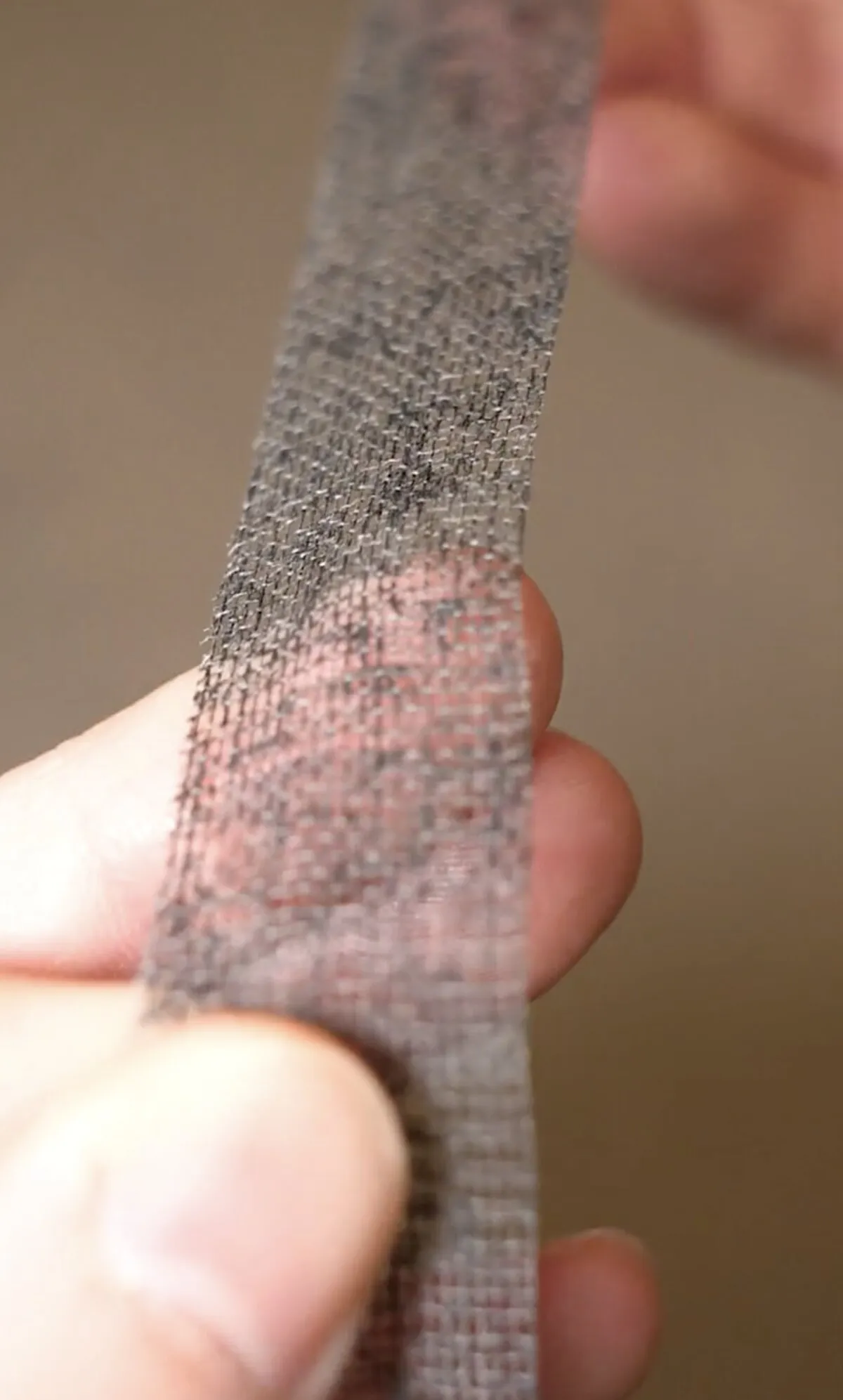
Finger tape provides targeted protection — specific fingers, specific zones, exactly where damage occurs. The unwrapped areas maintain full bare-hand sensitivity. The wrapped areas have thin enough coverage to preserve most tactile feedback. The trade: incomplete coverage means unprotected areas remain exposed.
Gloves protected my hands but I couldn't feel the work. Tape protects the fingers that take damage and I still feel everything else.— Precision Machinist
The decision framework is simple: if the task requires you to feel what you're touching, tape is better. If the task requires you to not feel what you're touching (because it's sharp, hot, or chemical), gloves are better. Most real-world tasks fall somewhere between — requiring protection in some zones and sensitivity in others. That's where targeted taping provides an advantage gloves can't match.
| Feature | Finger Tape (Guard-Tex) | Work Gloves |
|---|---|---|
| Coverage | Targeted — specific fingers/zones | Full hand — complete coverage |
| Dexterity | Full — feel through thin cotton | Reduced — material between hand and work |
| Small object handling | ✓ Feel screws, pins, components | ✗ Fumbling, dropping |
| Tool feel | ✓ Feel fastener seating, cut quality | ✗ Muffled feedback |
| Chemical protection | Partial — cotton barrier | ✓ Full — sealed barrier |
| Cut protection | Moderate — cotton catches glancing cuts | ✓ Strong — rated cut resistance |
| Heat protection | Moderate — cotton buffer | ✓ Full — rated heat resistance |
| Breathability | ✓ Cotton breathes naturally | ✗ Most trap heat and moisture |
| Task switching | ✓ No removal needed — type, phone, eat | ✗ Remove for every non-work task |
Precision vs Coverage
When your hands need to be your instruments — assembling, crafting, playing — gloves remove the sensitivity that makes the work possible.
Precision manufacturing — handling small parts, gauging surface finish, detecting tool wear by feel. Healthcare — palpation, IV insertion, wound care where gloves block clinical feel. Crafts and arts — ceramics, jewelry, sewing, painting where material feel guides the work. Music — guitar, drums, piano where finger sensitivity is the instrument. Food handling — knife work, plating, bread kneading where glove thickness changes technique.
Heavy construction — handling sharp metal, concrete, rough lumber. Chemical handling — solvents, acids, caustic materials requiring sealed barriers. Welding — extreme heat requiring rated thermal protection. Machine shop — lathe work, grinding, where rotating equipment demands full-hand cut protection. Biohazard — medical waste, contaminated materials requiring sealed protection.
Many workers use both. Gloves for the heavy or hazardous portions of work. Tape for the precision portions. A machinist might wear cut-resistant gloves while loading a lathe, then switch to finger tape for measuring and inspecting parts. A nurse might wear nitrile gloves for wound irrigation, then tape fingers for IV insertion and palpation.
Tape's biggest practical advantage: you don't have to remove it for between-task activities. Typing, using a phone, eating lunch, shaking hands — tape stays on seamlessly. Gloves must come off and go back on for every transition, creating removal fatigue and often getting left off when they should be on.
The task requires you to feel — surface texture, pressure feedback, temperature, small object manipulation. Tape protects the damage zones while preserving the sensitivity the task demands.
Examples: Assembly, inspection, healthcare, music, crafts, food prep.The task requires sealed, full-coverage protection against cuts, chemicals, heat, or biohazards. The material barrier is the point, not a compromise.
Examples: Construction, chemical handling, welding, biohazard cleanup.Different phases of work require different protection levels. Switch between gloves and tape as the task changes from heavy to precision.
Examples: Manufacturing (machine operation → inspection), healthcare (procedures → patient care).If neither the task clearly demands full glove coverage nor the risks clearly require sealed barriers, tape provides protection without sacrificing the dexterity you might need.
Key: Tape is the low-regret choice. You can always add gloves. You can't add dexterity to gloves.
Try Guard-Tex
Self-adhering cotton gauze. No adhesive on skin. Zero residue. Made in Elk Grove Village, IL since 1935.
Shop Now"Electronics assembly — I was fumbling tiny connectors in gloves. Tape on my fingertips protects against solder burns and I can feel every component."— Electronics Assembler
"I'm a surgeon — gloves are mandatory for procedures, but for patient examination and palpation, tape on my fingertips provides protection with the sensitivity I need for diagnosis."— Physician
"Jeweler — gloves make precision work impossible. Tape on my sawing and filing fingers catches the cuts I'd normally take. Still have full feel for setting stones."— Jewelry Maker
"Construction foreman — gloves on the jobsite, tape in the trailer. I need to handle paperwork, radios, and phones without removing gloves 50 times a day."— Construction Foreman
For tasks requiring dexterity and feel, yes. For tasks requiring full-hand cut, chemical, or heat protection, gloves are necessary.
For precision tasks, yes. For heavy hazard exposure (chemicals, extreme heat, rated cut resistance), gloves remain necessary.
Yes. Many workers switch between gloves (heavy tasks) and tape (precision tasks) throughout the workday.
Moderate. Cotton catches glancing blade contacts and blocks minor abrasion. Not rated cut protection like cut-resistant gloves.
Yes. Guard-Tex is thin enough for full touchscreen operation without removal.
Self-adhering cohesive tape like Guard-Tex provides targeted protection with zero adhesive on skin, full dexterity, and no equipment residue.
3/4" for fingers and detail work. 1-1/2" for limbs and larger areas. Both available in the shop.
Self-adhering tape. No adhesive. No residue. Made in Elk Grove Village, IL since 1935.
Shop Guard-Tex
