Musician Finger Tape

Your Fingers Are
Bleeding Again.
The Gig Is in Two Hours.

Blisters split. Calluses crack. And you still have to play a two-hour set tonight. Musician finger tape protects the damage without numbing the feel — so you can play through pain without playing through cotton.

Why musicians tape

Why Playing Destroys Your Fingers — and Why Tape Usually Makes It Worse

Every instrument punishes fingers differently. Guitarists press steel strings into soft fingertip tissue for hours — building calluses that crack and split under dry conditions or heavy practice loads. Bass players drive thick-gauge strings with their plucking fingers, developing deep blisters on the index and middle fingertips that reopen every time they play. Drummers absorb stick rebound through the thumb-index web space and along the stick contact zones, wearing raw spots that turn into chronic blisters. String players — violin, cello, viola — press fingertips into wound metal strings for hours of practice, building calluses that split during intensive rehearsal periods.

The instinct is to reach for athletic tape or bandages. The problem: adhesive tape kills feel. You can't sense string vibration through zinc oxide adhesive. You can't control stick rebound through thick gauze. And when you peel that tape off after the gig, it rips the top layer of skin off a blister that was halfway healed — resetting your recovery clock to zero. So you play the next day with compromised skin under fresh tape that's already dulling your touch.

This is why most musicians either play through pain unprotected or use tape and accept degraded feel. The assumption was always that protection and sensitivity were tradeoffs. They're not. The problem was adhesive — and the thickness of the materials designed to carry it.

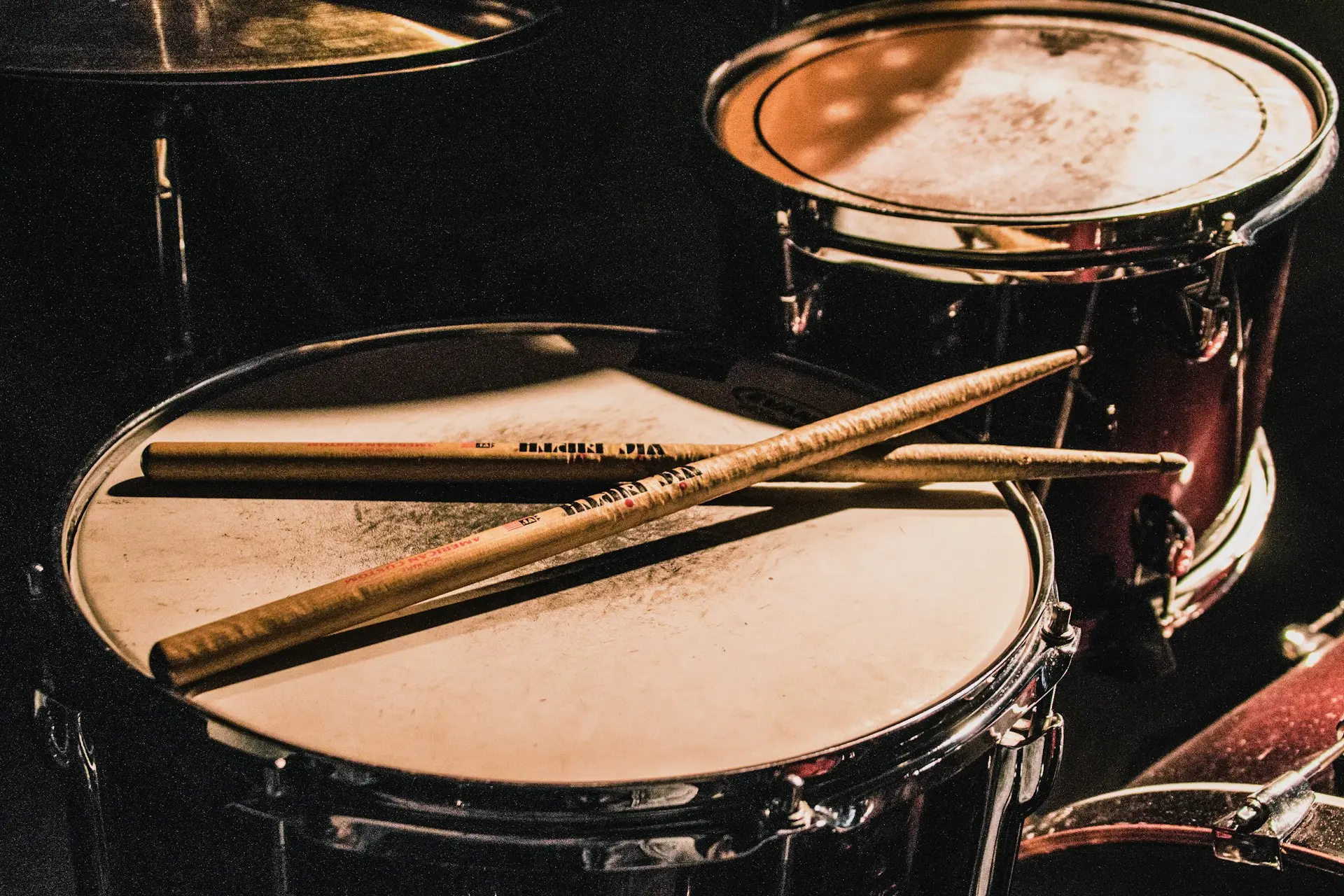
Worn drumsticks resting on a snare drum

The Feel Problem

Your Fingers Are Your Instrument's Interface

A guitarist detects string vibration through fingertip nerve endings. A drummer reads stick rebound through palmar pressure receptors. Any tape that numbs that feedback loop changes your playing. Musician finger tape has to solve a paradox: protect the tissue without blocking the signal it transmits.

Self-Adhering Tape Solves the Feel-vs.-Protection Paradox

Guard-Tex is a self-adhering tape — the kind of tape that sticks to itself but never touches your skin with adhesive. It uses cohesive bonding: each layer grips the layer beneath it mechanically. Zero glue. Zero residue. Zero chemical contact with your skin.

For musicians, this changes three things. First, the gauze is thin enough that you feel string vibration through it. Most guitarists report full sensitivity with two layers — enough to sense the difference between nylon and steel, enough to control vibrato with precision. Second, it stays on through stage sweat because the bond is tape-to-tape, not tape-to-skin. Third, it peels off painlessly after the set — no ripping, no skin pull, no blister damage. Your fingers heal overnight instead of getting re-traumatized at every tape change.

The tape is FDA-listed and made in the USA since 1935. It comes in black, beige, and blue — black being invisible on stage, beige disappearing on lighter skin tones, blue for high-visibility in medical applications. A single roll lasts most players 4-6 weeks of regular practice and performance.

"I split a callus two hours before a recording session. Wrapped two layers of Guard-Tex on my index finger and tracked the whole guitar part. The engineer didn't notice any tonal difference. That tape saved the session."
— Marcus W., Session Guitarist
0
Adhesive Contact
5M+
Rolls Shipped
0
Residue Left
100%
Made in USA

Guard-Tex vs. What Musicians Actually Use

Every gigging musician has tried at least two of these. Here's how they compare when the requirement is protect-the-blister-but-don't-kill-the-feel.

Factor Guard-Tex Athletic Tape Liquid Bandage
String/stick feel Full sensitivity, thin gauze Dulls vibration, stiff Good — but burns on open wounds
Stays on through sweat Cohesive bond, sweat-proof Adhesive dissolves under stage heat Bonds to skin chemically
Removal pain Zero — peels clean Pulls skin, rips blisters Peels naturally over days
Residue on strings/sticks None — no adhesive Zinc oxide on strings, fretboard None
Open wound application No adhesive on wound Adhesive bonds to wound bed Intense burning on open blisters
Re-tapeable mid-set Unwrap, re-wrap in 10 sec Must cut off, start fresh Must dry 2-3 minutes
Finger joint mobility Full flexion, no stiffness Restricts bending Full — no bulk
Thickness Ultra-thin gauze Thick, rigid cotton Invisible coating

How to Tape for Playing — By Instrument

Every instrument stresses fingers differently. Here's how to tape for the specific demands of what you play, using Guard-Tex 3/4-inch self-adhering tape.

1

Guitar & Bass: Fingertip Wraps

Fretting hand: Wrap 2 thin layers around the fingertip — from just below the nail bed to just past the first joint crease. This covers the string-contact zone without restricting finger curl for chord shapes or bends. Picking/strumming hand: For thumb blisters, wrap the outer edge of the thumb where it contacts strings. For fingerstyle bass, wrap the plucking fingertips. In all cases, fewer layers preserves more feel.

Pro tip: Wrap one finger and play a scale before taping the rest. If you can feel the fret wire through the tape, your thickness is right.

2

Drums: Stick-Contact & Web-Space Protection

Drummers burn skin in two zones: the thumb-index web space (where the stick fulcrum sits) and the stick-contact zone on the index and middle fingers. For the web space, anchor tape on the thumb and wrap across the web in overlapping passes — 3 layers provides solid friction protection. For stick-contact blisters, wrap the affected finger section with 2-3 passes. The tape actually improves stick grip because the gauze texture creates friction.

Pro tip: Tape before warm-up, not after you're already sweating. Dry skin gives the first layer of tape the cleanest seat.

3

Violin, Cello & Strings: Precision Wraps

String players need the thinnest possible wrap because intonation depends on fingertip pressure sensitivity. Use 1-2 layers maximum on the left-hand fingertips. Wrap only the pad — leave the sides and top of the fingertip exposed for full tactile reference. For bow-hand blisters (common at the thumb contact point), wrap the thumb pad where it meets the frog. Guard-Tex leaves zero residue on strings, fingerboards, or bows.

Pro tip: For concert performances, beige Guard-Tex is nearly invisible on most skin tones under stage lighting.

4

Play Through — Peel Clean After

Guard-Tex bonds to itself, not to your skin, strings, sticks, or bow hair. Stage heat and sweat don't degrade the bond because there's no adhesive for moisture to dissolve. After the gig or practice, peel the tape off in one piece. No residue on your instrument. No skin damage. No blister re-opening. Your fingers recover overnight so you can play again tomorrow.

Pro tip: Keep a roll in your gig bag and your practice space. The 60-second tape-up becomes part of your warm-up routine.

Black Guard-Tex finger tape for musicians

Stage-Ready

Black Guard-Tex — 3/4" × 30 yards

Black disappears on stage under any lighting. One roll lasts 4-6 weeks of regular practice and performance. Self-adhering, FDA-listed, made in Elk Grove Village, IL.

Shop Now →

What Musicians Are Saying

"I've been playing bass professionally for 15 years and my plucking fingers still blister during heavy touring. Guard-Tex is the first tape where I can feel string tension and dynamics. It's completely changed how I manage finger damage on the road."
— Danny R., Touring Bass Player
"I drum 4-5 hours a day when preparing for tours. The web space between my thumb and index finger was raw every single week. Guard-Tex holds through a full rehearsal and actually improves my stick grip. Athletic tape always slipped once I started sweating."
— Tyler K., Session Drummer
"I'm a violin teacher and I recommend Guard-Tex to every student who's struggling with left-hand callus development. It lets them practice through the painful phase without damaging their skin or losing the intonation sensitivity they're building."
— Sarah L., Violin Instructor
"Split a callus right before a wedding gig. Wrapped two layers of Guard-Tex on my ring finger and played the entire four-hour reception. The bride's father complimented my tone. That tape saved my night and my reputation."
— Chris M., Wedding Guitarist

Beyond the Stage

The same self-adhering tape that protects musician fingers works wherever hands take punishment. If you're also cycling and dealing with handlebar blisters, bowling and protecting your thumb, or working in a shop where gloves aren't an option, the same roll handles everything. Guard-Tex was originally made for factory workers who needed finger protection tape that maintained tool feel. Musicians discovered it because it solves the exact same problem — protect without numbing.

Frequently Asked Questions

What tape do guitar players use on their fingers?

+

Guitar players use athletic tape, liquid bandage, or self-adhering cohesive tape on their fretting-hand fingertips. Guard-Tex is a self-adhering option that maintains string feel because the gauze is thin enough to sense vibration through, and it removes without leaving residue on skin or strings.

Does finger tape affect guitar playing?

+

Thick tape reduces string feel and makes fretting harder. Guard-Tex is a thin gauze tape — most guitarists report full string sensitivity with 2 layers. It doesn't stiffen fingers or restrict bending, so hammer-ons, pull-offs, and bends feel natural.

What tape do drummers use on their fingers?

+

Drummers commonly use athletic tape or moleskin on blister-prone spots. Guard-Tex is popular with drummers because it stays on through heavy sweat, provides grip on sticks rather than reducing it, and removes cleanly without pulling blisters open.

How do you protect fingers when playing bass guitar?

+

Wrap the index and middle fingertips of your plucking hand with 2 thin layers of Guard-Tex. The tape absorbs string friction while maintaining enough feel to control dynamics and muting. For fretting hand, wrap any cracked calluses to prevent further splitting.

Does musician finger tape leave residue on strings or sticks?

+

Guard-Tex leaves zero residue on anything because it contains no adhesive. Athletic tape deposits zinc oxide adhesive residue on strings, sticks, and drum heads that degrades tone and playability over time. Guard-Tex has no glue to transfer.

Can violin and cello players use finger tape?

+

Yes. String players use Guard-Tex on left-hand fingertips to protect new calluses during intensive practice periods and on bow-hand contact points for rosin-burn protection. The thin gauze maintains the tactile sensitivity required for intonation, and it won't transfer residue to strings or the fingerboard.

Shop

Get Guard-Tex

Your Fingers. Your Sound.
No Compromise.

Tape that protects without numbing. Removes without damage. Stays on through every set.

Shop Guard-Tex →