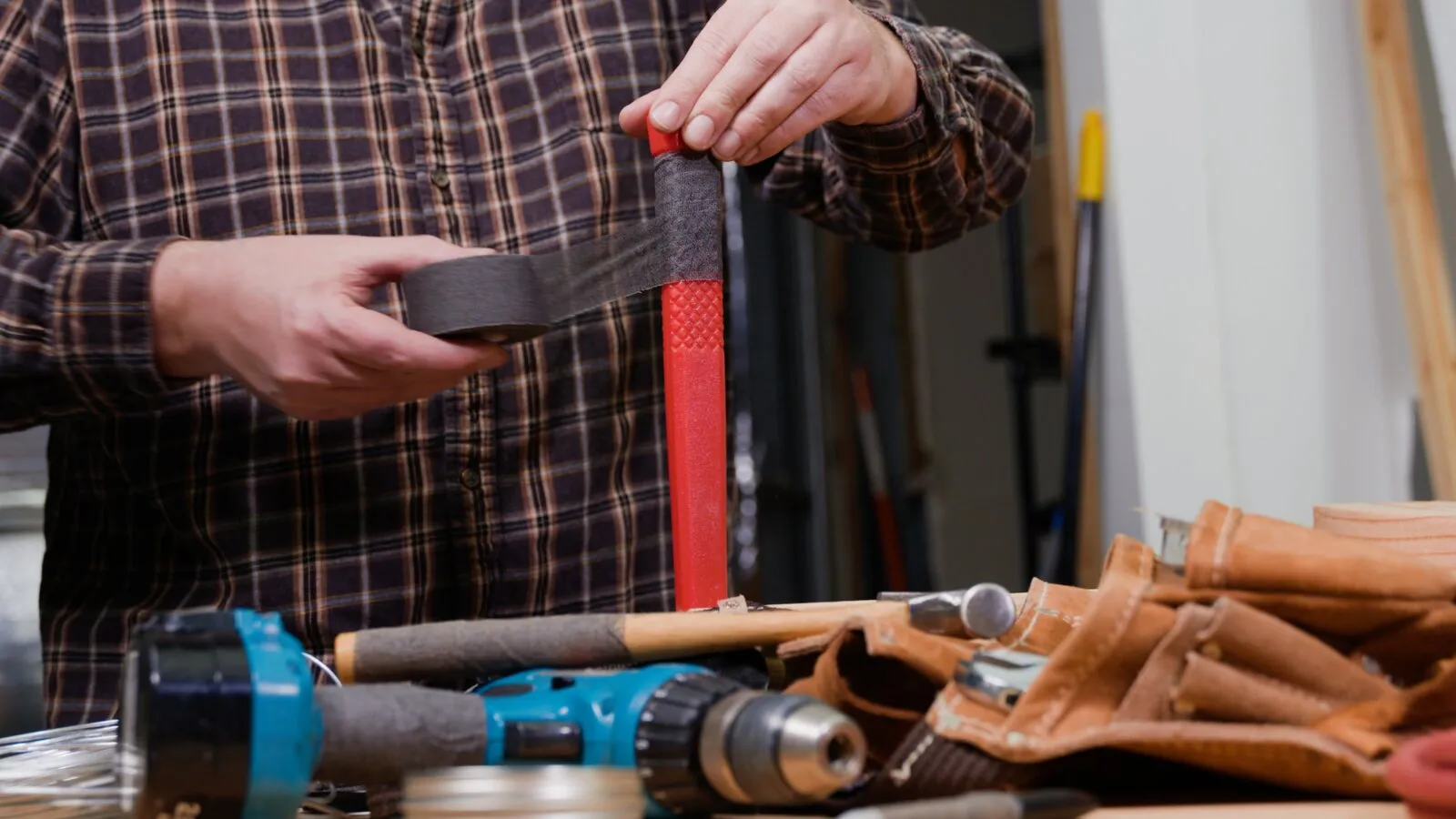
Hand Injuries Are the #1 Recordable on Most Shop Floors
Pull your OSHA 300 log. Odds are, hand and finger injuries lead the list — lacerations, abrasions, contusions, skin tears. The Bureau of Labor Statistics reports roughly 110,000 hand injuries per year requiring days away from work, and the average direct cost of a single hand injury runs $7,500 in workers' comp alone. Add indirect costs — lost production, overtime for replacements, retraining, administrative burden — and a single hand laceration costs your operation north of $25,000.
The frustrating part: most of these injuries aren't from major accidents. They're from accumulated micro-damage. Sharp burrs on machined parts that nick fingertips 50 times a day. Sheet metal edges that shave skin during repetitive handling. Abrasive surfaces that wear through the epidermis over a shift. Metal chips that embed in calluses. The injuries that don't bleed enough to report today compound into the ones that cost you money next month.
Gloves seem like the answer — but on assembly lines, inspection benches, and precision machining operations, full-hand gloves kill the dexterity that makes good work possible. Workers strip them off for detail tasks, then never put them back on. The glove bin stays full. The injury log keeps growing. The gap between "protected" and "productive" is where your people get hurt.