Finger injuries are the most common setback in climbing. Pulley strains, skin flappers, and joint pain sideline climbers for weeks or months. The right taping technique can prevent many of these injuries—and help you climb through others safely.
But there's a lot of confusion about when to tape, how to tape, and what tape actually does. This guide covers everything: injury prevention, injury support, skin protection, and the specific techniques that work.
Understanding Finger Anatomy for Climbers
Before taping, it helps to understand what you're protecting:
- Pulleys — Rings of tissue (A1-A5) that hold tendons close to the bone. The A2 and A4 pulleys are most vulnerable to climbing injuries.
- Tendons — Connect muscles to bones; run through the pulleys to flex your fingers
- Collateral ligaments — Stabilize joints side-to-side
- Skin — Your primary contact surface; subject to flappers, splits, and abrasion
Different injuries require different taping approaches. Skin protection tape won't help a pulley strain, and pulley support tape won't prevent flappers.
When to Tape (And When Not To)
Good Reasons to Tape
- Protecting a healing flapper or skin split
- Supporting a recovering pulley strain (with medical guidance)
- Preventing skin damage during high-volume training
- Stabilizing a hypermobile or previously injured joint
Bad Reasons to Tape
- Masking pain to climb harder (you'll make the injury worse)
- Preventive taping of healthy fingers (this can actually weaken tissues)
- Compensating for poor technique
Important: Tape is not a substitute for rest. If you have a suspected pulley injury (sharp pain, swelling, difficulty gripping), see a climbing-specialized physical therapist before deciding how to manage it.
Taping Techniques for Climbers
1. H-Tape Method (Pulley Support)
The H-tape provides mechanical support to the A2 pulley without restricting finger flexion. It's the gold standard for climbing through minor pulley strains.
- Cut two short strips (about 2 inches) and one longer strip (about 3 inches)
- Apply one short strip above the A2 pulley (middle of proximal phalanx)
- Apply second short strip below the A2 (just above the knuckle)
- Connect the two horizontal strips with the vertical strip on the palm side
- The result looks like an "H" when viewed from the side
This creates a pulley-like structure that takes load off the injured tissue while allowing the finger to bend.
2. X-Tape Method (Joint Stability)
X-taping stabilizes joints against lateral stress—useful for collateral ligament injuries or hypermobility.
- Cut two strips about 4 inches long
- Apply the first strip diagonally across the joint, from one side of the finger to the other
- Apply the second strip in the opposite diagonal, forming an X over the joint
- The tape should be snug but not tight
3. Ring Method (Skin Protection)
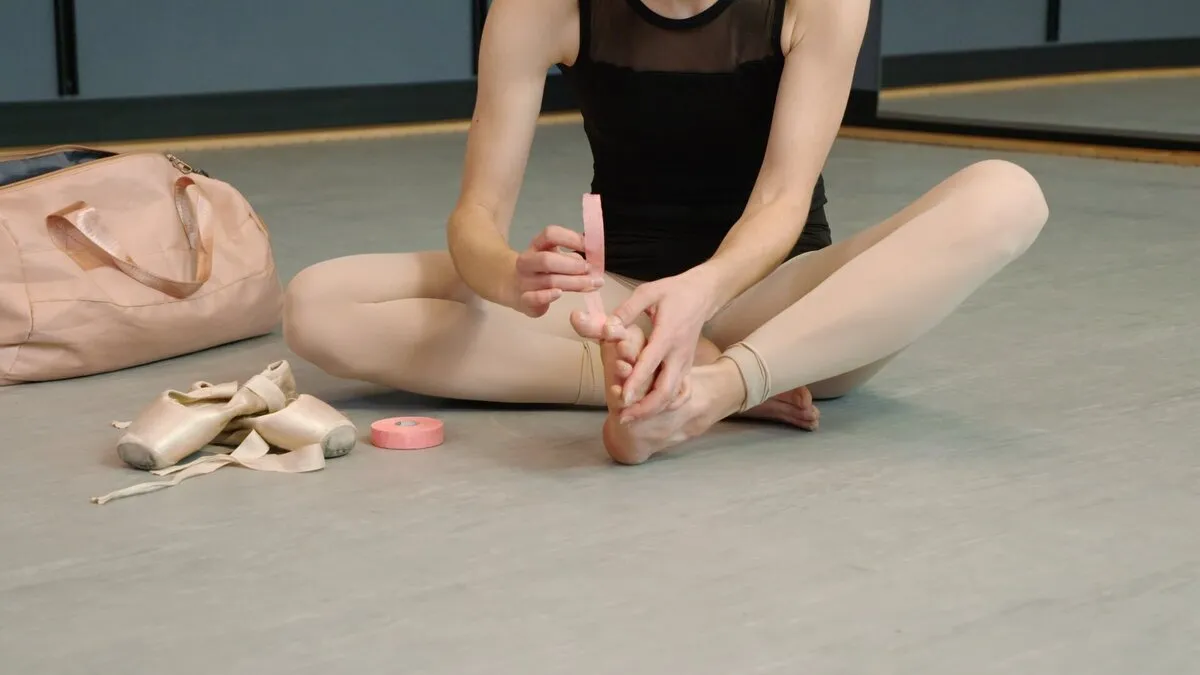
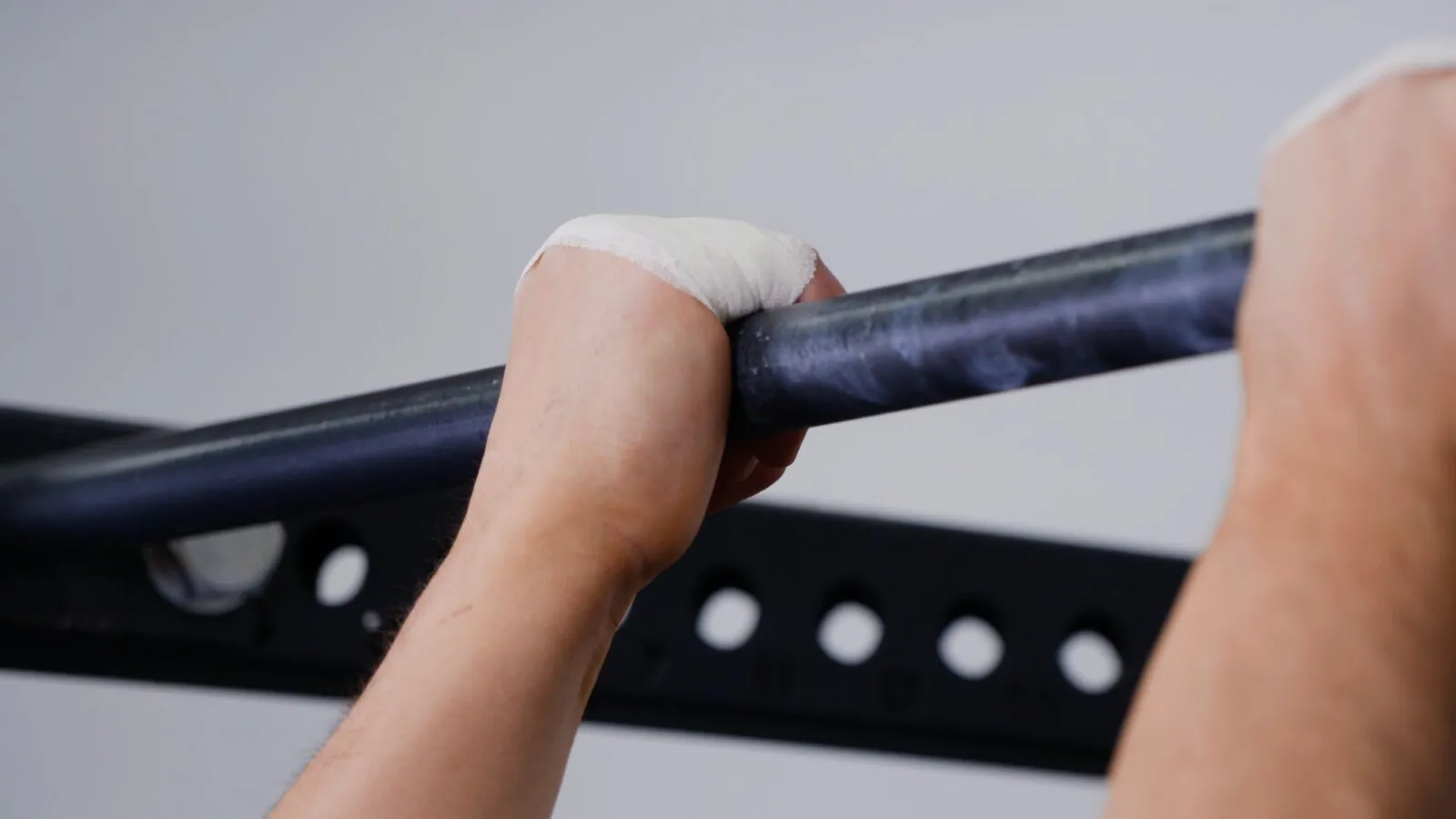
Simple circumferential wrapping protects against flappers and abrasion. This is the most common taping method and requires the least technique.
- Wrap tape around the finger at the vulnerable spot (usually between joints)
- Use 2-3 layers, overlapping by half
- Keep tension moderate—too tight restricts blood flow
- Smooth the edges to prevent catching on holds
4. Buddy Tape (Severe Injuries)
For serious sprains or post-injury return, buddy taping connects the injured finger to an adjacent healthy finger for support.
- Place padding between the two fingers
- Tape above and below the injured joint, binding fingers together
- The healthy finger acts as a splint during movement
Choosing the Right Climbing Tape
Climbing places unique demands on tape:
- Grip compatibility — Tape must work with chalk without getting slippery
- Durability — Must survive friction against rock without shredding
- Flexibility — Must allow finger flexion for gripping
- Low profile — Thick tape changes how holds feel
- Adhesion — Must stay in place despite sweat and chalk
Many climbers prefer self-adhering tape like Guard-Tex for several reasons:
- No adhesive residue — Removes cleanly without leaving sticky residue that attracts chalk
- Repositionable — Can adjust tape placement between attempts
- Breathable — Cotton-based tape allows airflow
- Conforms to finger shape — Stretches around joints without bunching
Preventing Skin Injuries
Most climbing skin injuries are preventable with proper care:
Callus Management
- Sand calluses regularly to keep them flat and smooth
- Don't let calluses get thick and raised—they'll tear off
- Moisturize after climbing to prevent cracks
Session Management
- End sessions before skin is completely destroyed
- Tape hot spots immediately when you feel them developing
- Reduce volume on abrasive rock types (sandstone, granite)
Rest and Recovery
- Allow 48-72 hours between hard sessions for skin recovery
- Use healing balms (like Climb On or J-Tree) overnight
- Stay hydrated—dehydration makes skin more fragile
Common Taping Mistakes
- Taping too tight — Cuts off circulation; finger turns white or blue
- Wrong tape type — Rigid athletic tape doesn't allow finger flexion
- Ignoring the problem — Tape should protect while healing, not mask ongoing damage
- Not smoothing edges — Tape edges catch on holds and peel off
- Over-reliance on tape — Address root causes (technique, recovery, volume)
The Bottom Line
Tape is a tool, not a solution. Used correctly, it protects healing injuries, prevents skin damage, and allows continued climbing during recovery. Used incorrectly, it masks problems and leads to worse injuries.
Know why you're taping, use the right technique, and address underlying issues. Your fingers will thank you with years of pain-free climbing.
Climb Stronger, Longer
Guard-Tex: the self-adhering tape that stays put without residue.
Shop Guard-Tex